Why Medical Procedure Checklists Improve Patient Safety
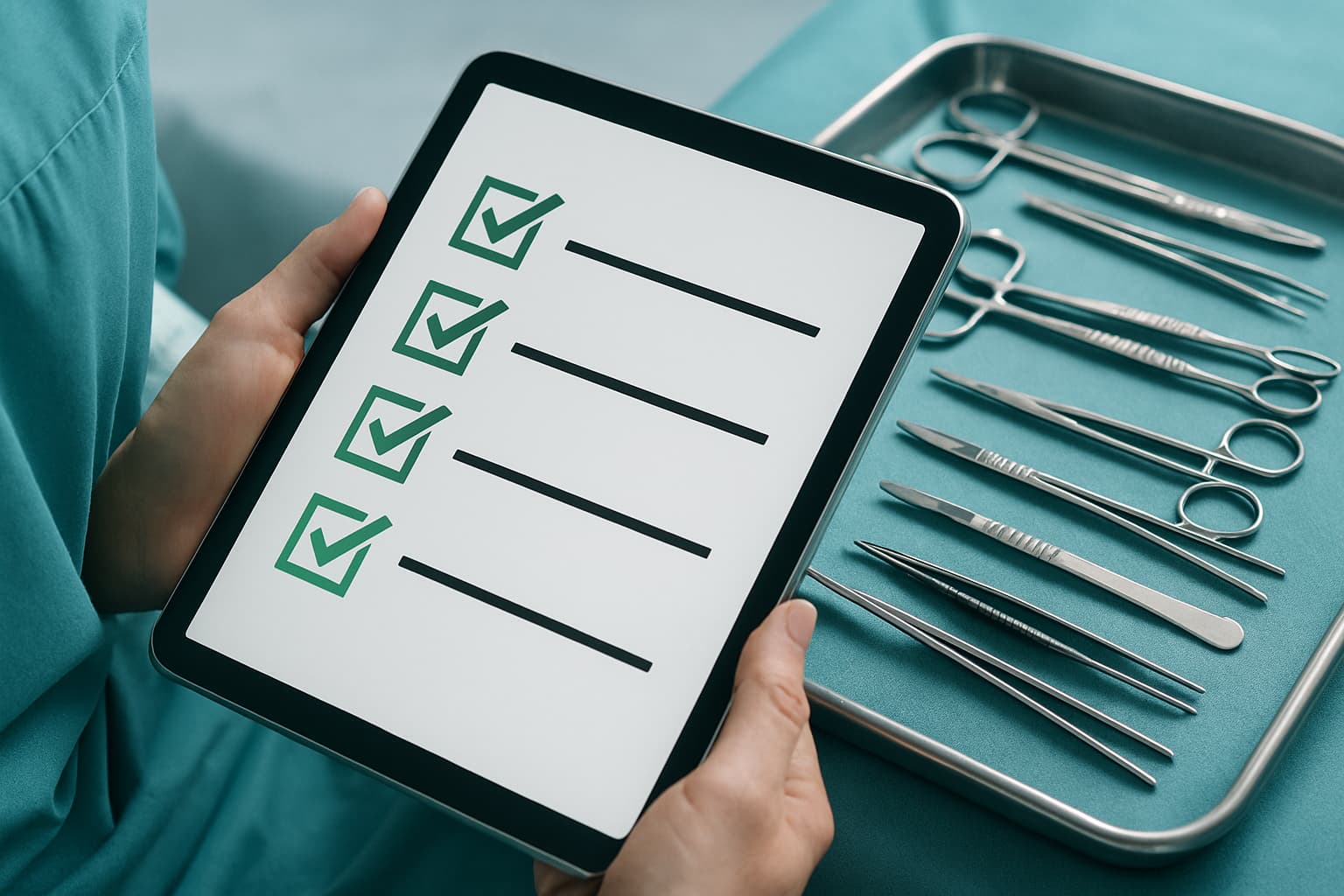
The surgical safety checklist introduced by the World Health Organization in 2009 demonstrated that a simple structured verification process could significantly reduce surgical complications and mortality. The same principle applies across all medical procedures: checklists standardize technique, reduce errors of omission, and provide a framework for training that ensures completeness and consistency.
Why Errors Happen in Medical Procedures
Medical procedures fail not because practitioners lack knowledge but because they skip steps. Cognitive load, time pressure, interruptions, and fatigue cause experienced clinicians to omit steps they know well. Central line insertion protocol includes hand hygiene, full barrier precautions, chlorhexidine skin preparation, and specific insertion technique. Each step is simple; the difficulty lies in completing every step, every time, without exception.
Studies of central line-associated bloodstream infections have shown that implementing a simple insertion checklist reduces infection rates by as much as sixty to seventy percent. The checklist does not teach clinicians anything new; it ensures they do what they already know they should do.
Checklists in Medical Education
For medical students learning procedures, checklists serve a dual purpose. First, they define the complete, correct technique. A student learning to perform a lumbar puncture needs to know every step in sequence: patient positioning, landmark identification, sterile preparation, local anesthesia, needle insertion technique, opening pressure measurement, specimen collection, and post-procedure care. A comprehensive checklist defines this sequence.
Second, checklists provide an objective assessment framework. Instructors can evaluate whether the student completed each step, in the correct order, with correct technique. This structured evaluation is more reliable and fair than subjective global assessments of procedural competence.
Simulation-Based Procedural Training
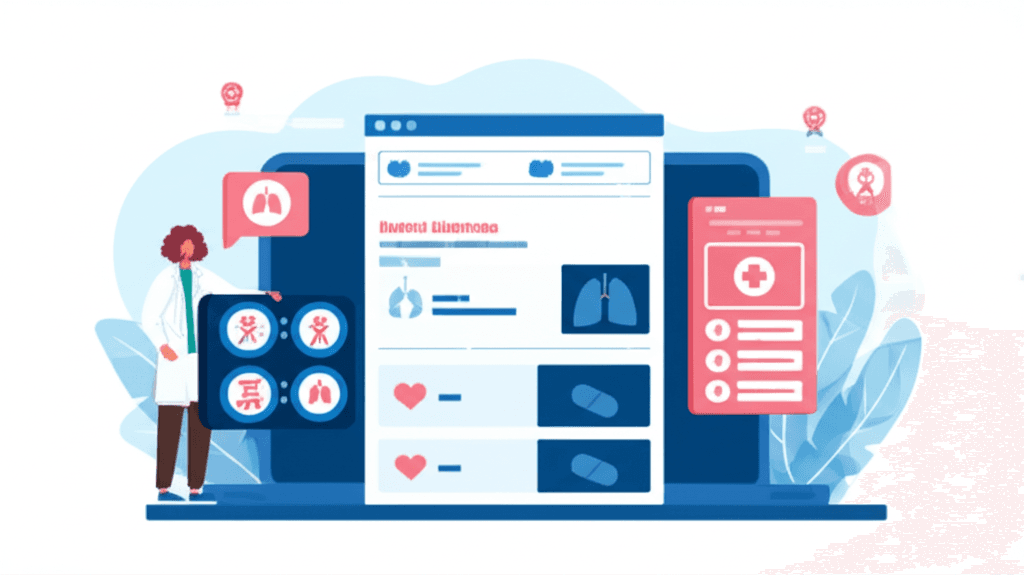
Simulation platforms that incorporate procedural checklists allow students to practice procedures step by step, receiving feedback on completeness and sequence. The student works through the checklist for each procedure, learning the standardized approach before performing the procedure on a real patient.
This structured training approach has been shown to reduce the learning curve for common procedures. Students who practice with checklist-guided simulation require fewer supervised real-patient attempts to achieve competency compared to those who learn through apprenticeship alone. The checklist ensures that no steps are missed during the critical early learning phase.
Building Habits, Not Just Knowledge
The goal of checklist-based training is not memorization but habit formation. When a student has worked through the hand hygiene verification step of a central line insertion fifty times in simulation, the behavior becomes automatic. They do not need to consciously remember to perform hand hygiene; it is an ingrained part of their procedural routine.
This habit-based approach to patient safety is more robust than knowledge-based approaches. Clinicians under stress revert to habits, not to conscious recall. Training that builds correct procedural habits through repetition creates safer practitioners than training that relies on clinicians remembering what they learned in a lecture.
From Individual Procedures to System Safety
The checklist approach extends beyond individual procedures to system-level safety improvements. When an institution standardizes its procedural training using checklist-based simulation, every practitioner follows the same technique. This standardization simplifies quality monitoring, enables meaningful outcome comparison, and creates a shared language for discussing procedural performance.
For medical students, learning procedures through structured checklists from the beginning of their training instills a safety-first mindset that persists throughout their careers. Students who are taught that skipping steps is unacceptable, even in simulation, carry that standard into clinical practice.