How Medical Universities in Central Asia Adopt Simulation Training
Medical education in Central Asia is undergoing significant modernization. Countries including Kazakhstan, Uzbekistan, Kyrgyzstan, and Azerbaijan are investing in simulation-based training as part of broader healthcare education reform. This investment is driven by accreditation requirements, government mandates, and the recognition that simulation improves clinical training outcomes.
The Accreditation Driver
National accreditation bodies across the CIS increasingly require evidence of simulation-based training in medical school curricula. Kazakhstan's medical education standards, aligned with international frameworks, specifically reference simulation as a required component. Universities seeking international accreditation or recognition must demonstrate that their graduates have received simulation-based clinical training.
This regulatory pressure creates a clear mandate: medical schools must acquire and integrate simulation technology or risk accreditation non-compliance. For university administrators, simulation investment has moved from nice-to-have to mandatory.
Budget Realities and Software-First Solutions
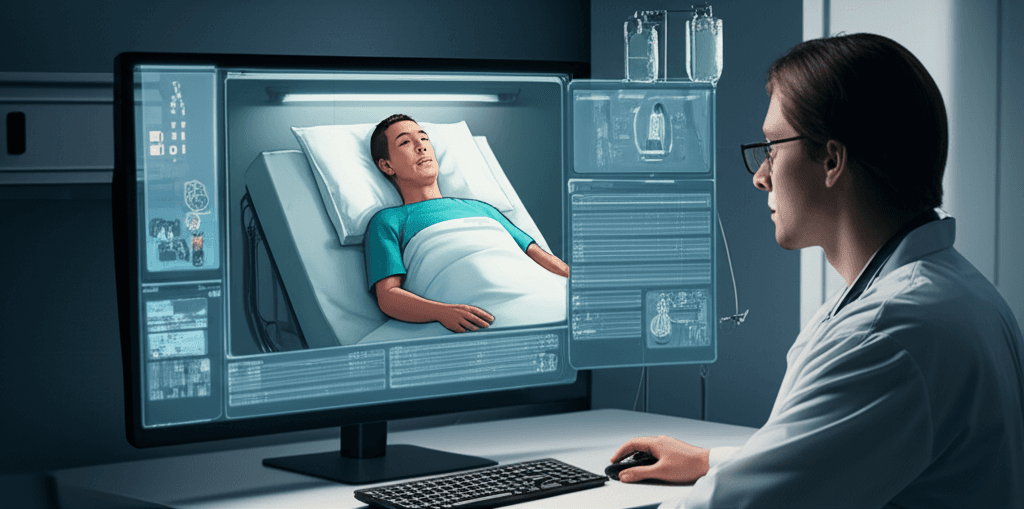
Medical universities in Central Asia operate with smaller technology budgets than their Western European or North American counterparts. High-fidelity physical manikins costing fifty to four hundred thousand dollars per unit are often beyond reach, particularly for smaller or regional institutions. This budget constraint has created demand for software-first simulation solutions that deliver comprehensive clinical training at accessible price points.
Software-based virtual patient platforms offer institutional licenses in a range that Central Asian university budgets can accommodate. A department-level license providing access to hundreds of clinical cases across multiple specialties costs a fraction of a single high-fidelity manikin, while serving more students across more learning scenarios.
Language and Content Localization
Content localization is critical for effective adoption. Medical education in CIS countries is conducted in Russian, with some programs in local languages (Kazakh, Uzbek) and increasingly in English. Simulation platforms that offer Russian-language content have a significant advantage in this market, as most international competitors focus primarily on English-language markets.
Clinical protocols also vary by region. Drug formularies, treatment guidelines, and clinical practice norms in CIS countries may differ from Western standards. Simulation content that reflects local clinical practice is more immediately useful for students than content designed for a different healthcare system.
Government Investment in Healthcare Education
Several Central Asian governments have launched national programs to modernize healthcare education. Kazakhstan's healthcare development programs include specific funding allocations for simulation center establishment. Uzbekistan has been actively expanding its medical education infrastructure. These government initiatives create procurement opportunities for simulation technology providers who understand the regional market.
Ministry-level adoption decisions are particularly significant because they often apply to multiple institutions simultaneously. A ministry of health that approves a simulation platform for one pilot university may subsequently mandate it across all medical schools in the country.
The Opportunity for Regional Platforms
The CIS medical education market represents over one hundred fifty medical universities across multiple countries. Western simulation companies have minimal presence in this region: no Russian-language content, limited understanding of procurement processes, and pricing that does not account for purchasing power differences. This creates a significant opportunity for platforms that combine comprehensive simulation capabilities with regional expertise, localized content, and appropriate pricing.
Early movers who establish institutional relationships and build a reputation for quality in CIS markets will benefit from network effects as universities share experiences with peer institutions. In a market where institutional referrals carry significant weight, early adoption and proven results create a durable competitive advantage.