Master Dental
Pathology Virtually
15 dental nosologies. Full clinical content, ICD-11 classification, 3D pathology descriptions, and interactive quizzes — all in one simulation module.
15
Nosologies
ICD-11
Coded
60+
Quiz Questions
3D
Pathology Models
Everything a dental student needs
From understanding disease mechanisms to passing board exams — one integrated simulation environment.
Clinical Reasoning
Build systematic thinking — from disease mechanism to treatment decision — through structured case-based learning.
3D Pathology
Each nosology includes a pathomorphologic description integrated with the VARGATES 3D organ model engine.
Zero-Risk Practice
Make clinical mistakes on virtual patients — learn from errors without consequences in a fully safe simulation environment.
Practice on a 3D dental simulator
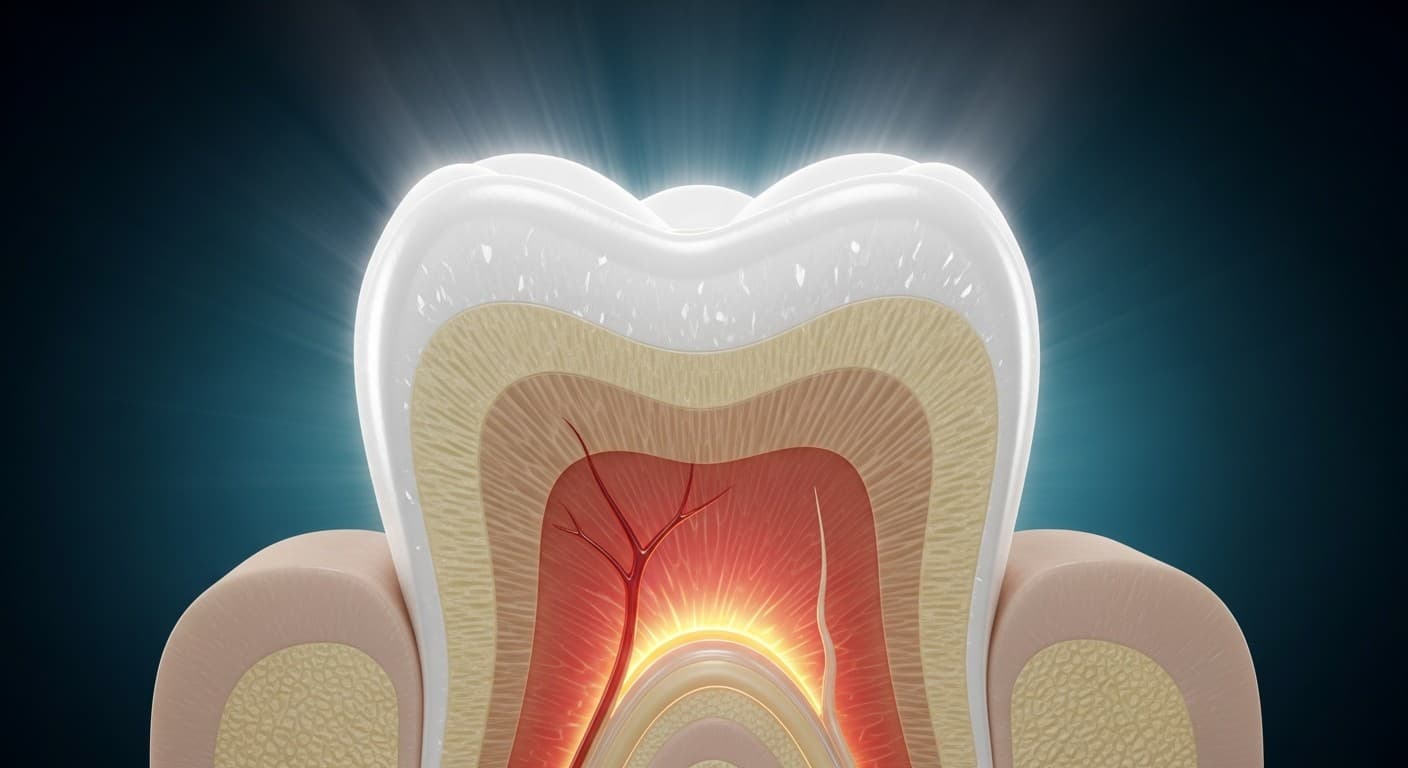
VARGATES Dentistry runs on a full 3D simulation engine — not slides, not videos. You examine virtual patients, visualize pathologies on real anatomical models, and make clinical decisions in an interactive environment built for dental education.
- Interactive 3D anatomical models of teeth, gums, and jaw
- Virtual patient cases with realistic symptom presentation
- Pathology visualization directly on 3D oral anatomy
- Clinical decision-making in a zero-consequence environment
Simulation accelerates clinical competency
Simulation-based learning consistently outperforms passive reading. The VARGATES approach combines structured theory with active recall quizzes and 3D visualization.
- Immediate feedback on every clinical decision
- Spaced repetition through module structure
- Active recall with diagnostic reasoning quizzes
- Visual encoding via 3D pathomorphology
3×
Faster knowledge retention
vs. traditional textbook study
87%
Quiz first-pass success
after completing full module
15
Core dental nosologies
ICD-11 coded, clinically structured
60+
Practice questions
diagnostic + treatment focus
Your learning path
Each nosology follows a four-stage learning journey from theory to verified competency.
Study the Theory
Read etiology, pathogenesis, ICD-11 classification, and clinical manifestations for each nosology.
Explore 3D Pathology
Visualize disease progression through 3D organ models and pathomorphologic descriptions.
Apply Diagnostics
Select correct diagnostic workup from differential lists using clinical reasoning frameworks.
Test Your Knowledge
Pass multiple-choice quizzes designed around board examination standards and clinical cases.
15 Dental Diseases
Select any nosology to study its full clinical module
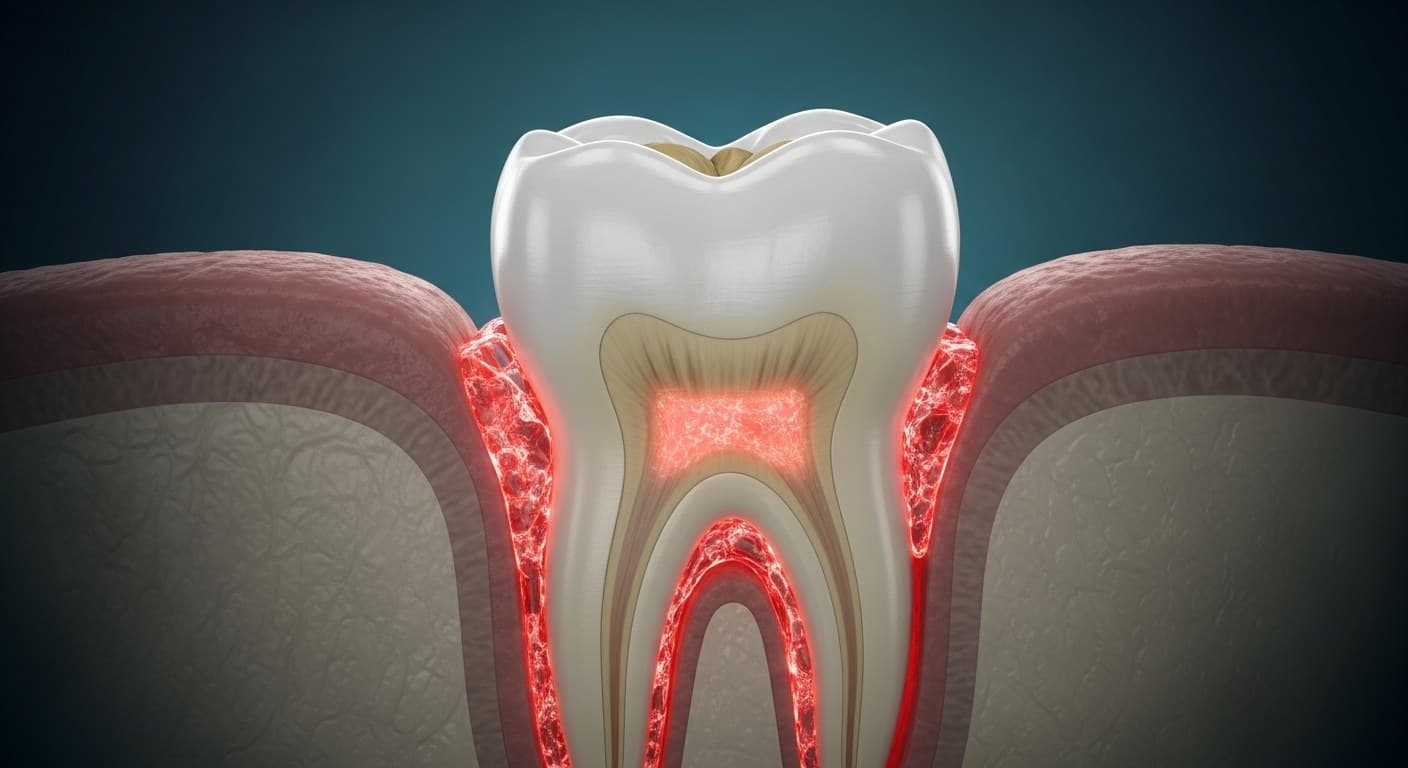
Acute Apical Periodontitis
Acute inflammation of the periradicular tissues — from hyperemia to suppuration at the root apex
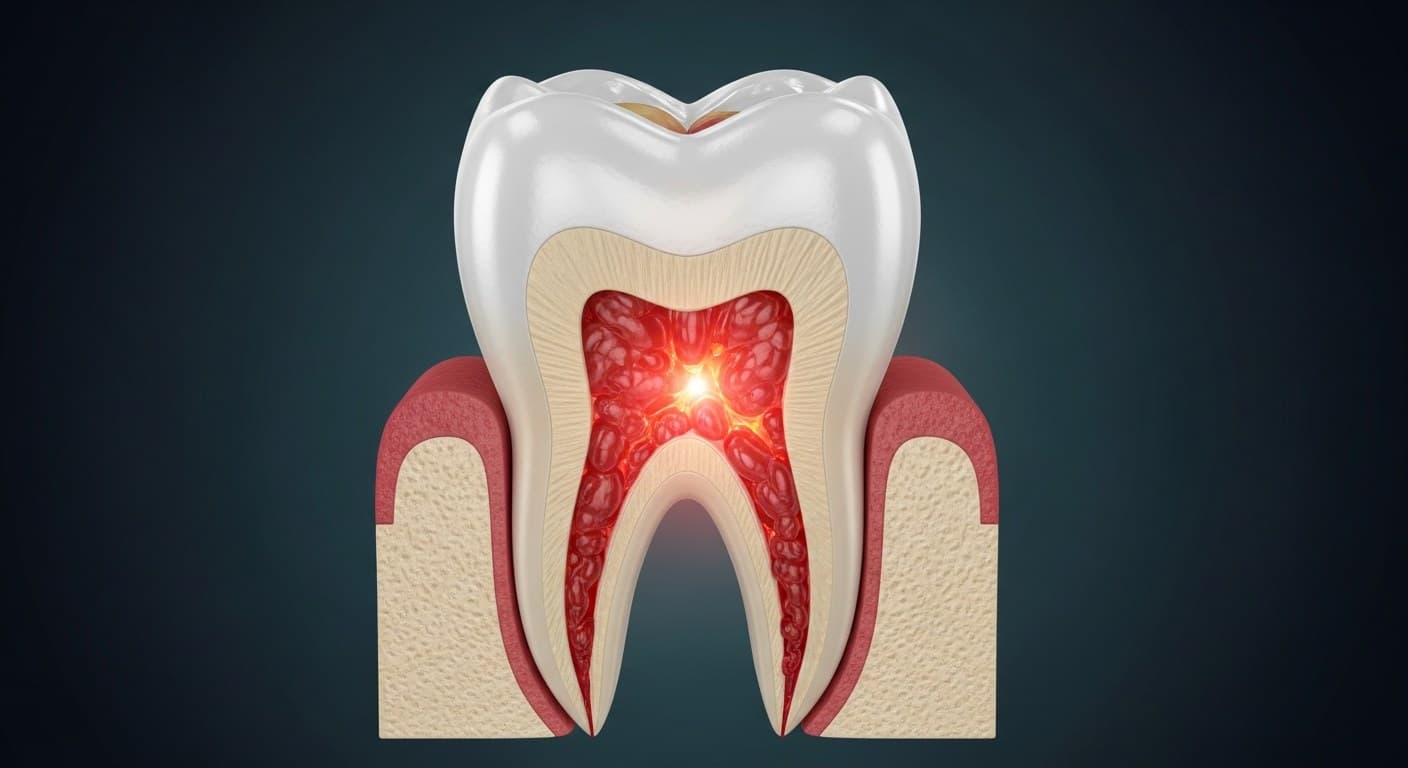
Acute Pulpitis
Reversible and irreversible inflammatory conditions of the dental pulp
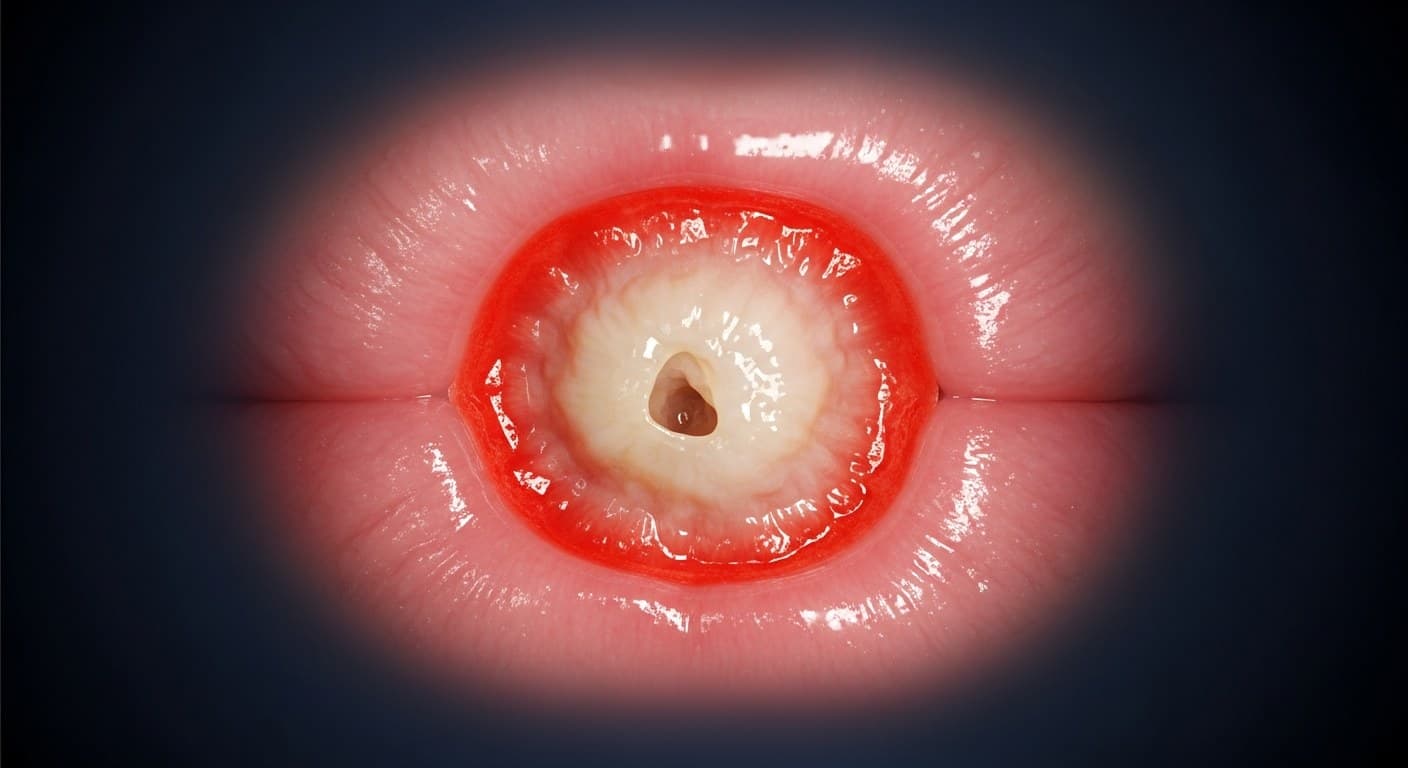
Aphthous Stomatitis
Recurrent painful oral ulcers of unknown etiology — the most common oral mucosal disease
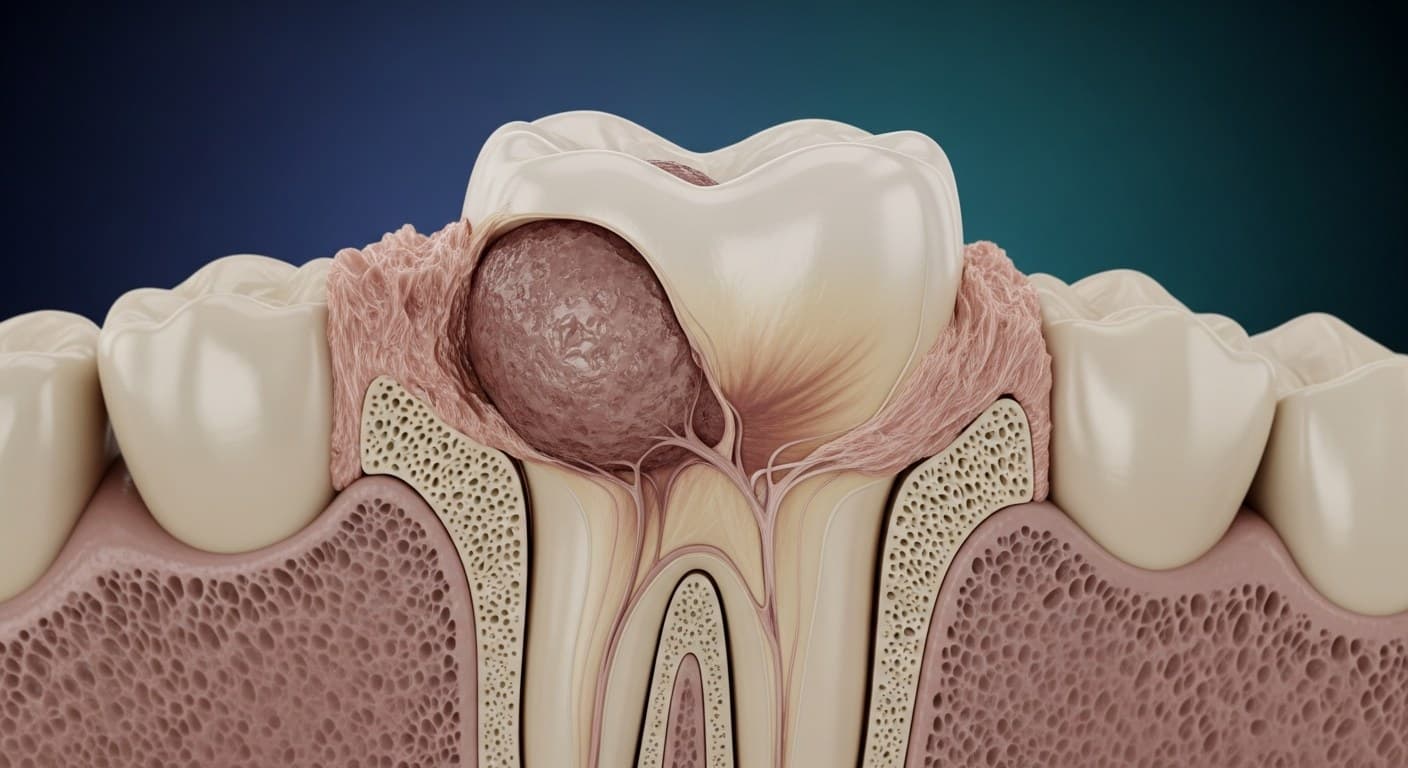
Chronic Apical Periodontitis
Silent periradicular destruction — granuloma and cyst formation at the root apex
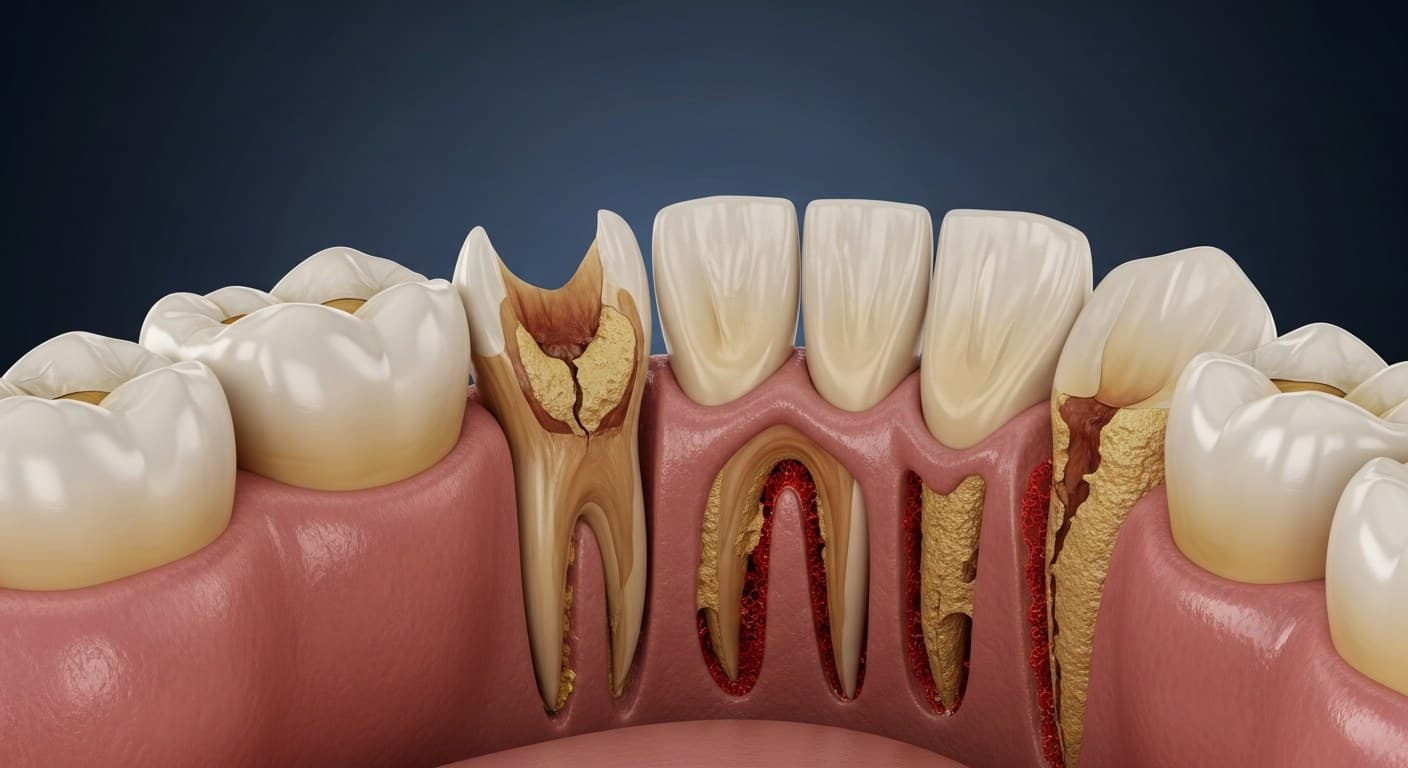
Chronic Periodontitis
Progressive irreversible destruction of the tooth-supporting apparatus
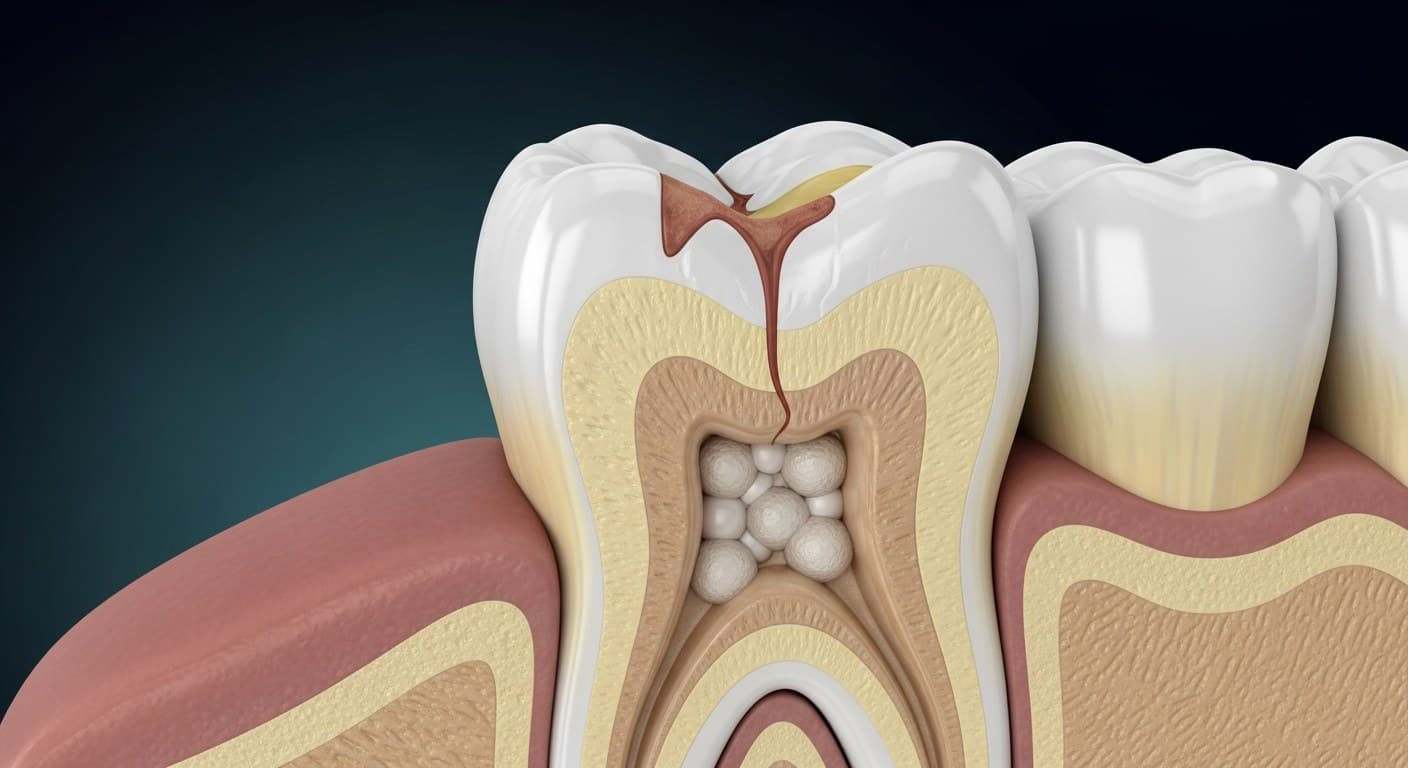
Chronic Pulpitis
Prolonged, low-grade pulp inflammation progressing silently toward irreversibility
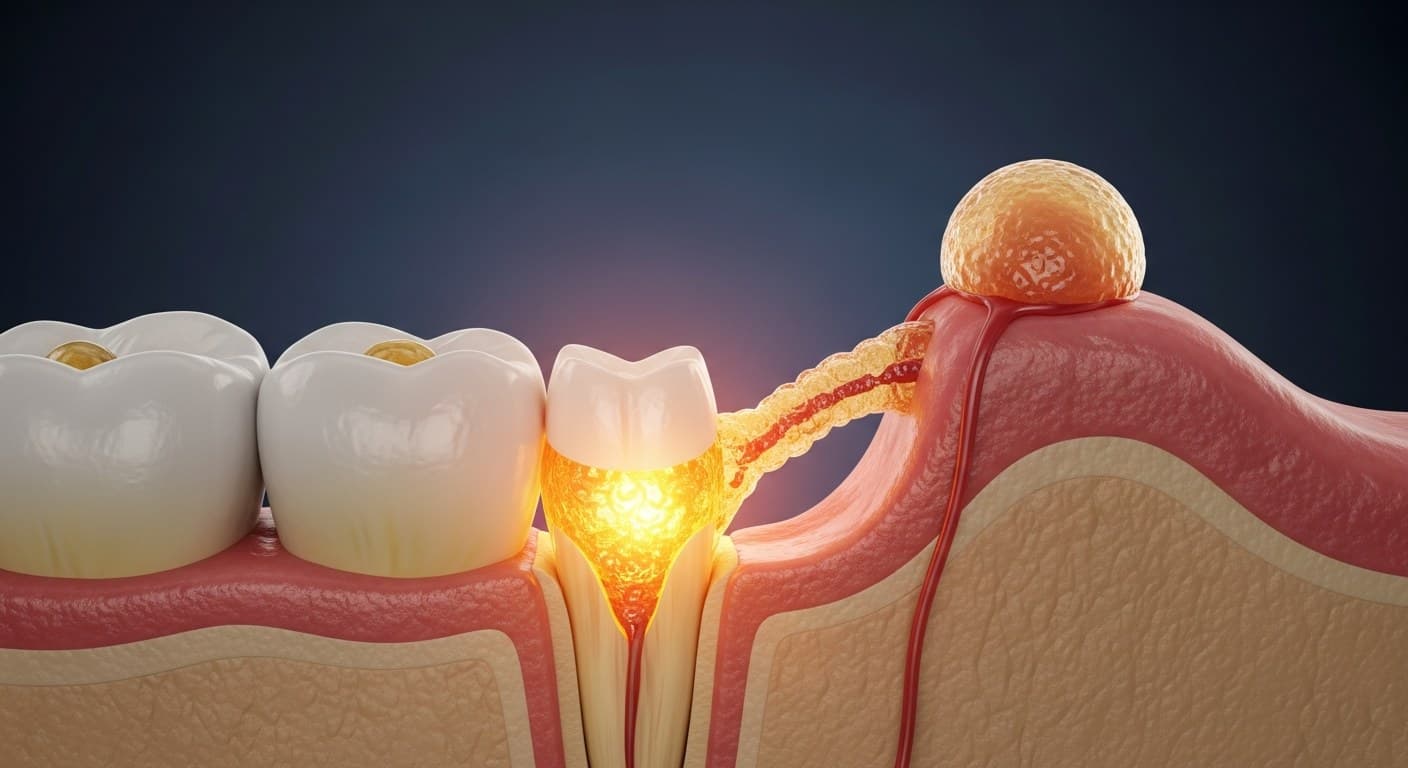
Dental Abscess
Acute purulent infection with soft tissue spread — from localized pus to life-threatening fascial space infection
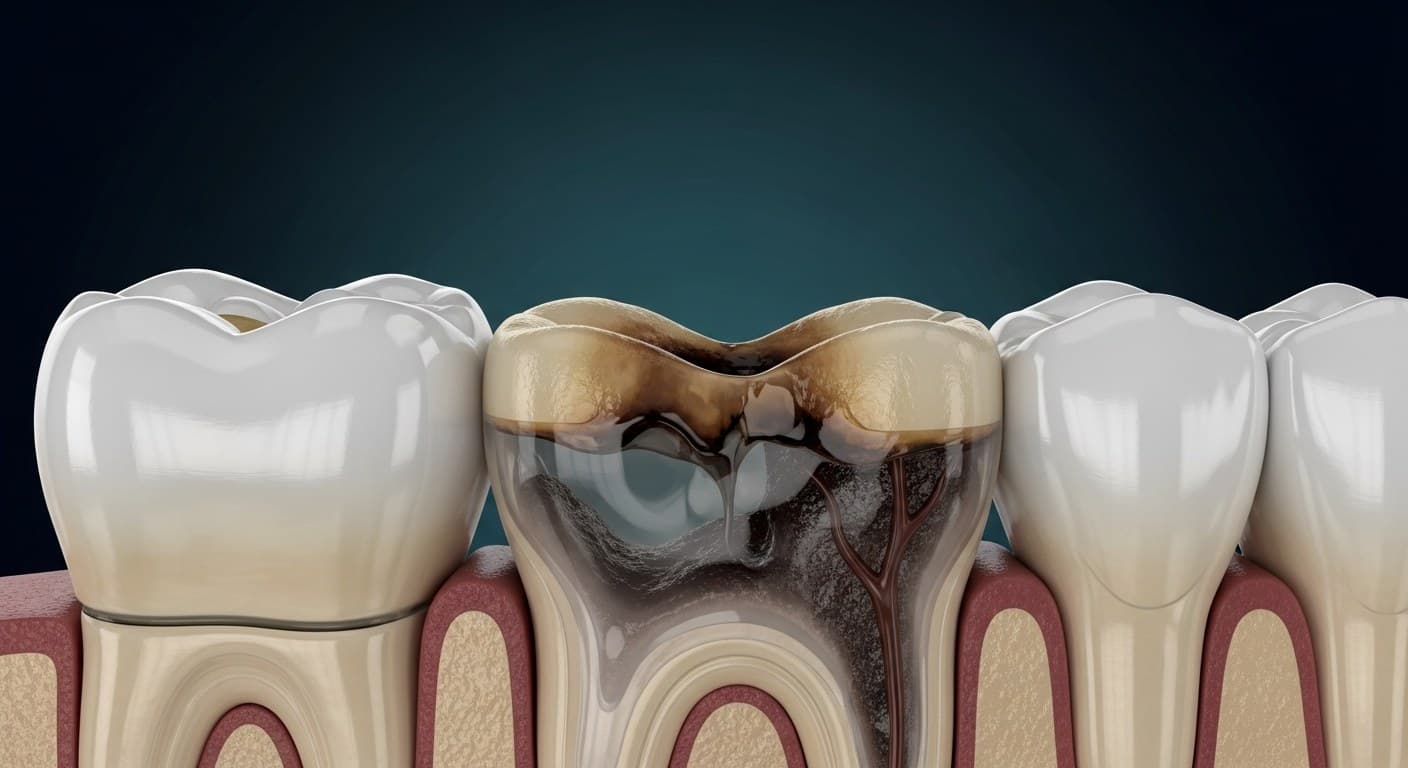
Dental Caries
The most prevalent infectious disease worldwide
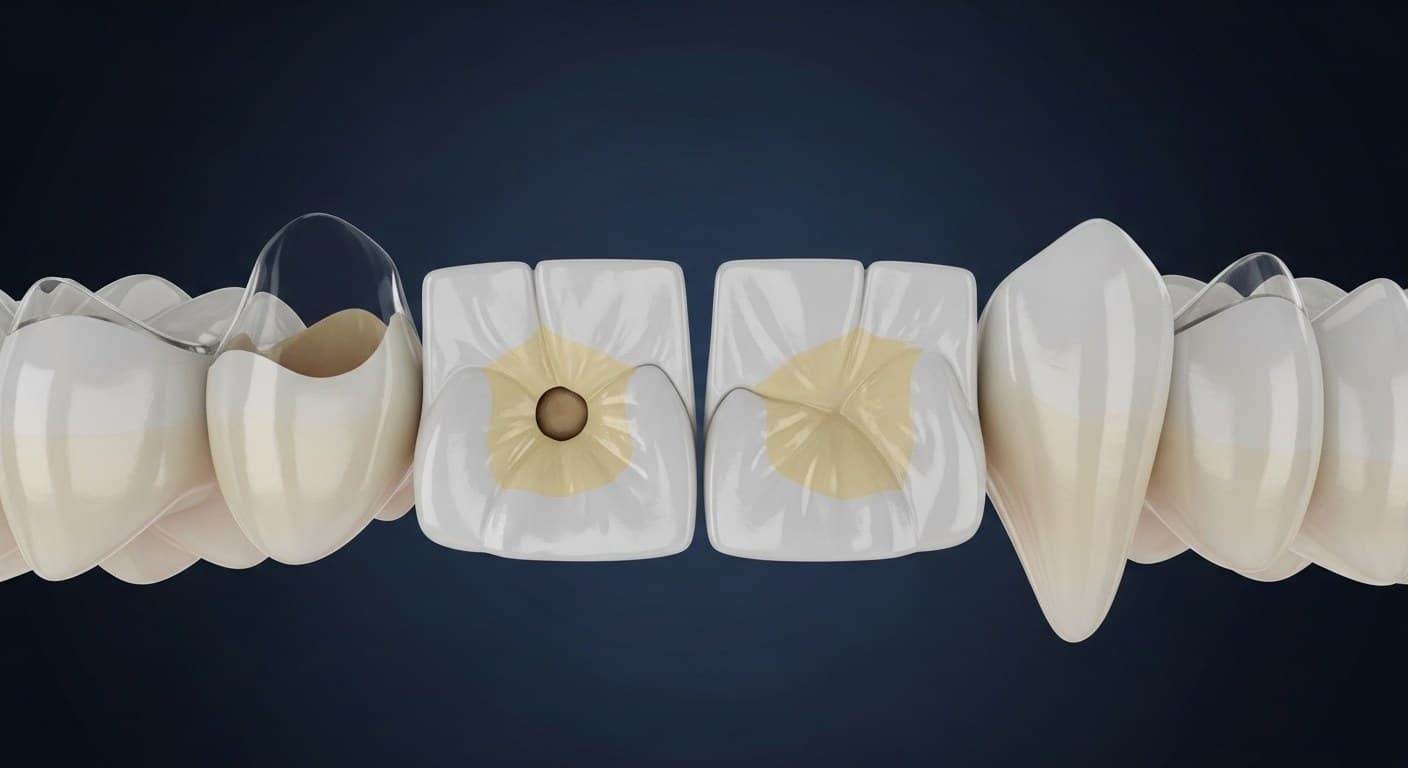
Dental Erosion
Irreversible loss of dental hard tissue by chemical dissolution from non-bacterial acids
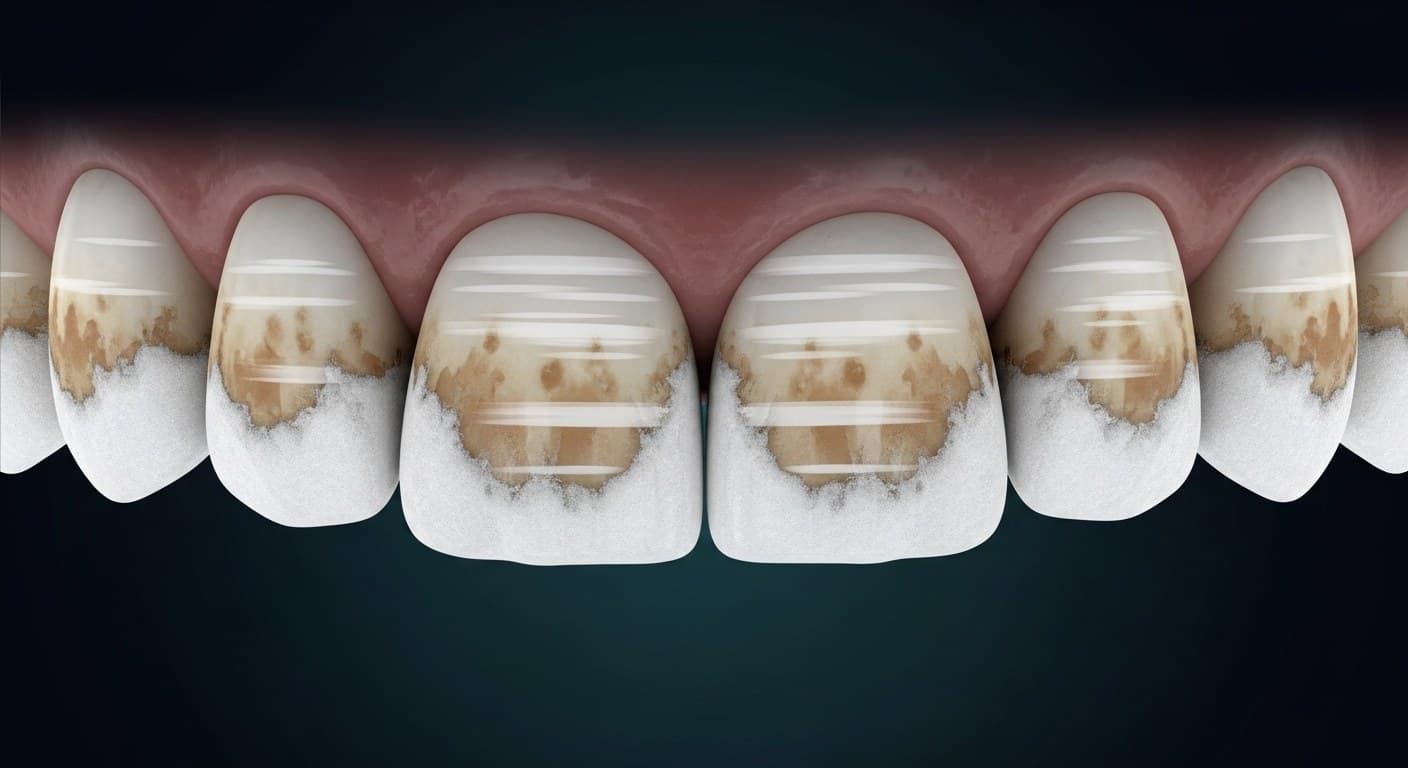
Dental Fluorosis
Enamel hypomineralization from excessive fluoride ingestion during tooth development
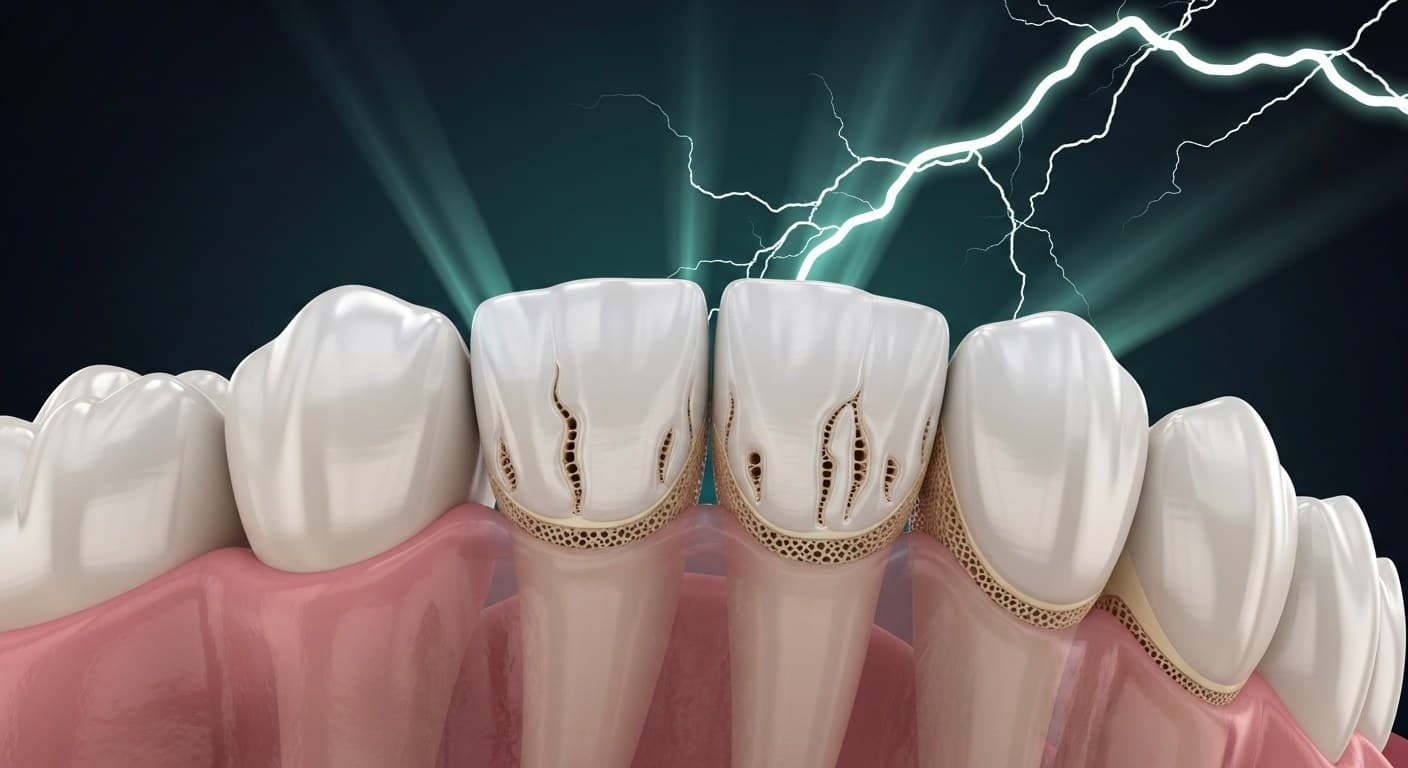
Dentinal Hypersensitivity
Sharp, transient pain from exposed dentin in response to thermal, evaporative, tactile, or osmotic stimuli
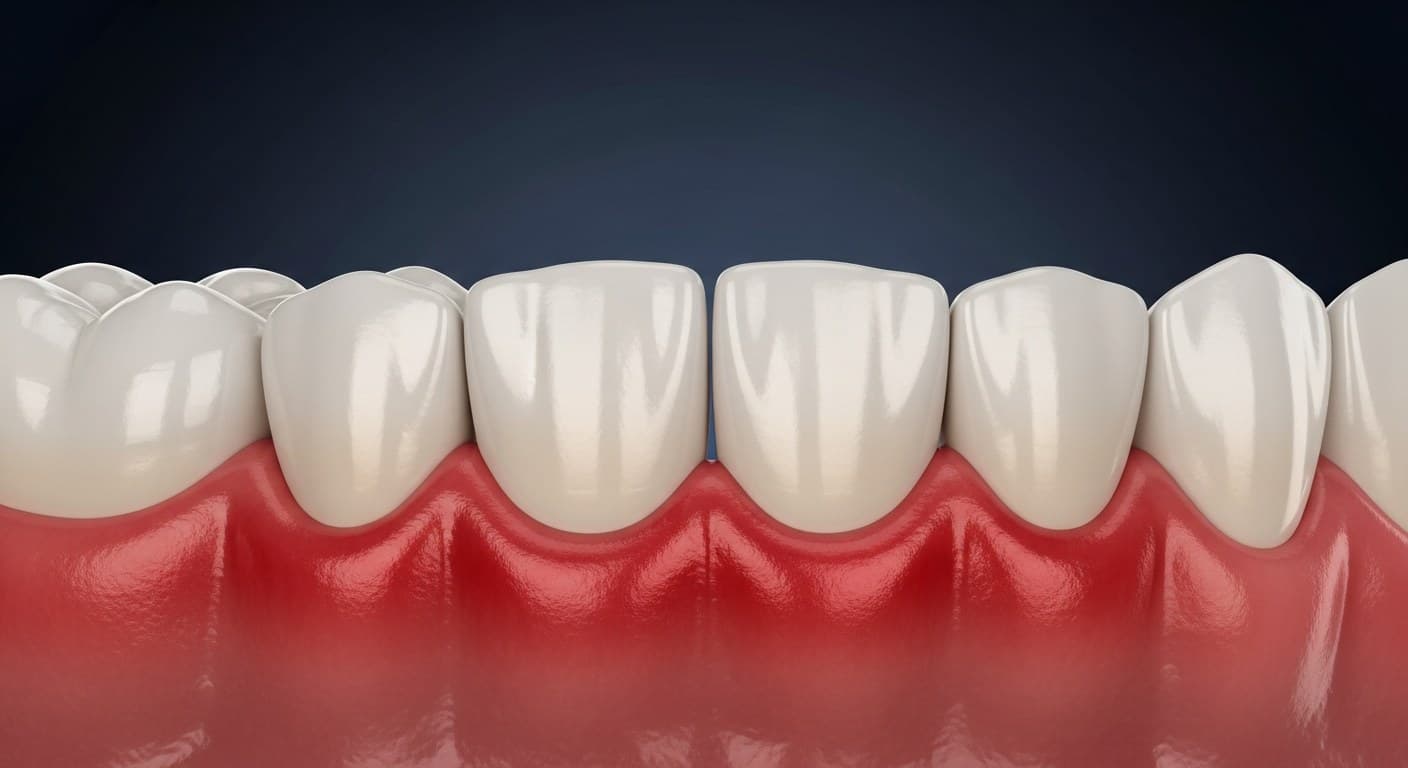
Gingivitis
Reversible gingival inflammation — the most prevalent oral disease and precursor to periodontitis
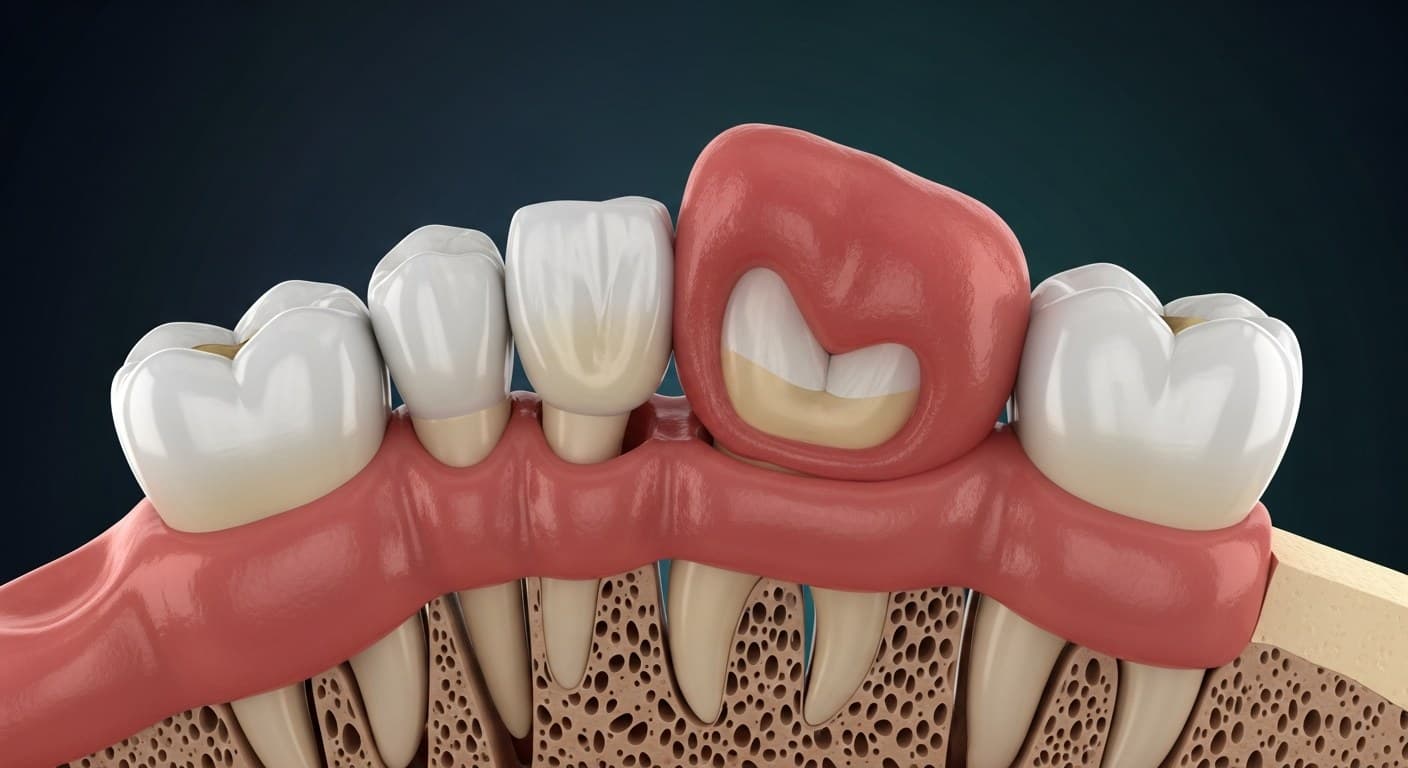
Pericoronitis
Inflammation around the crown of a partially erupted tooth
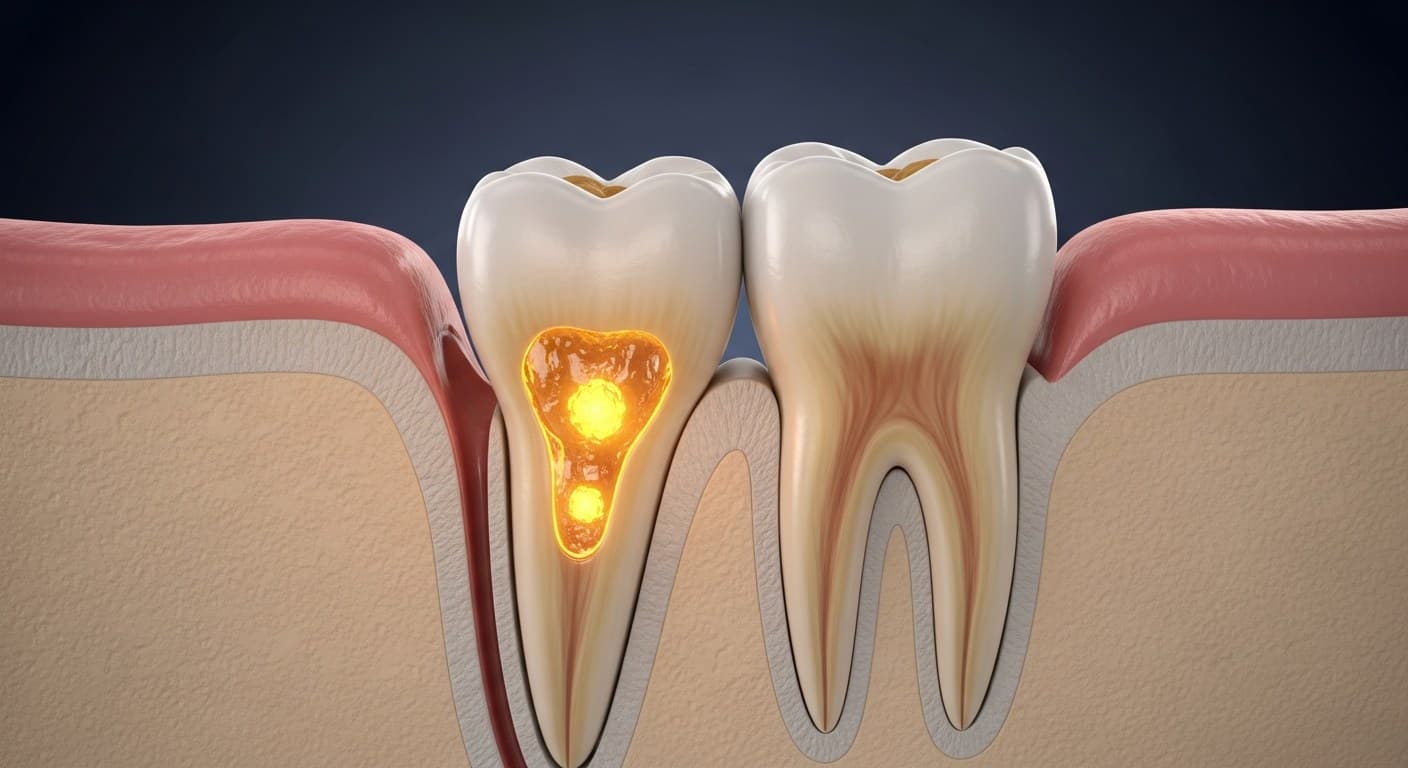
Periodontal Abscess
Acute purulent infection localised within the periodontal tissues
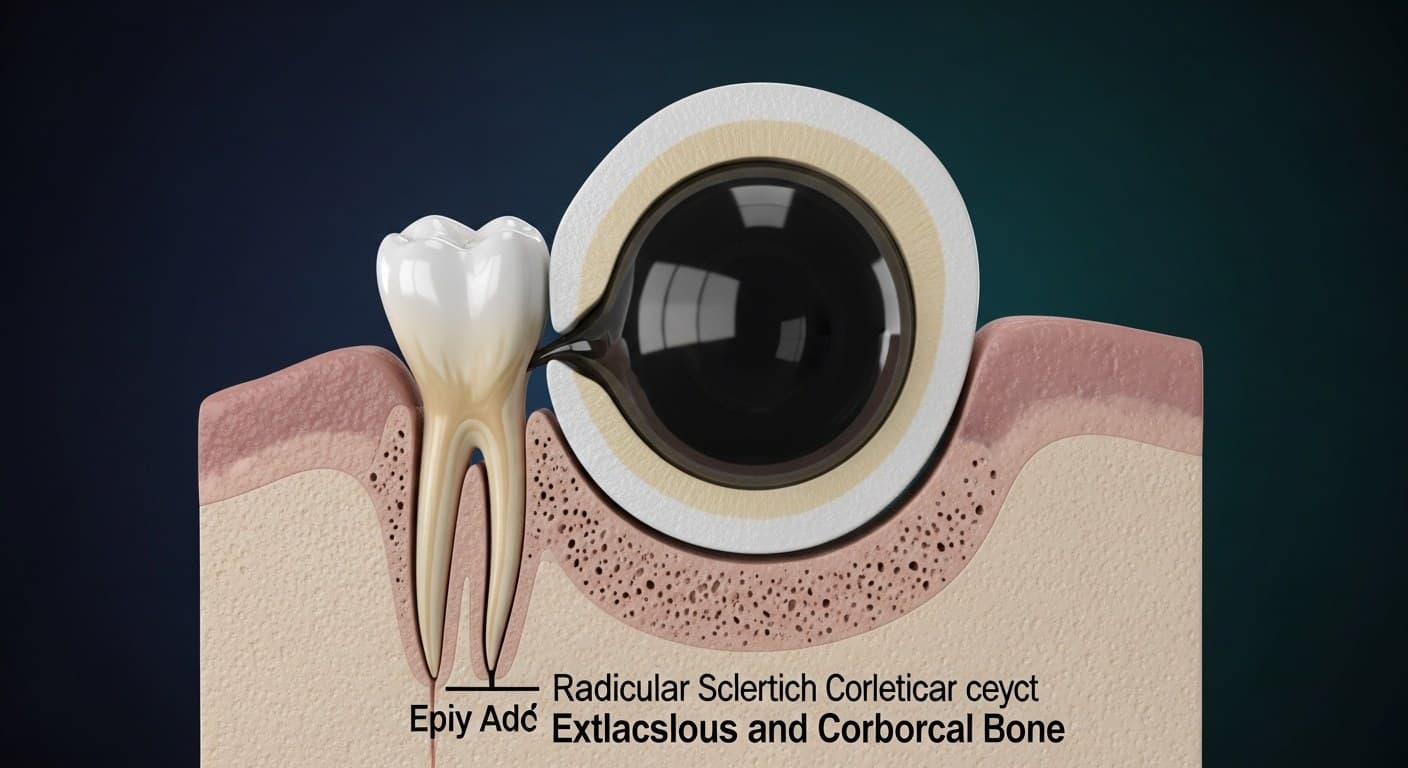
Radicular Cyst
The most common odontogenic cyst, arising at the apex of a non-vital tooth
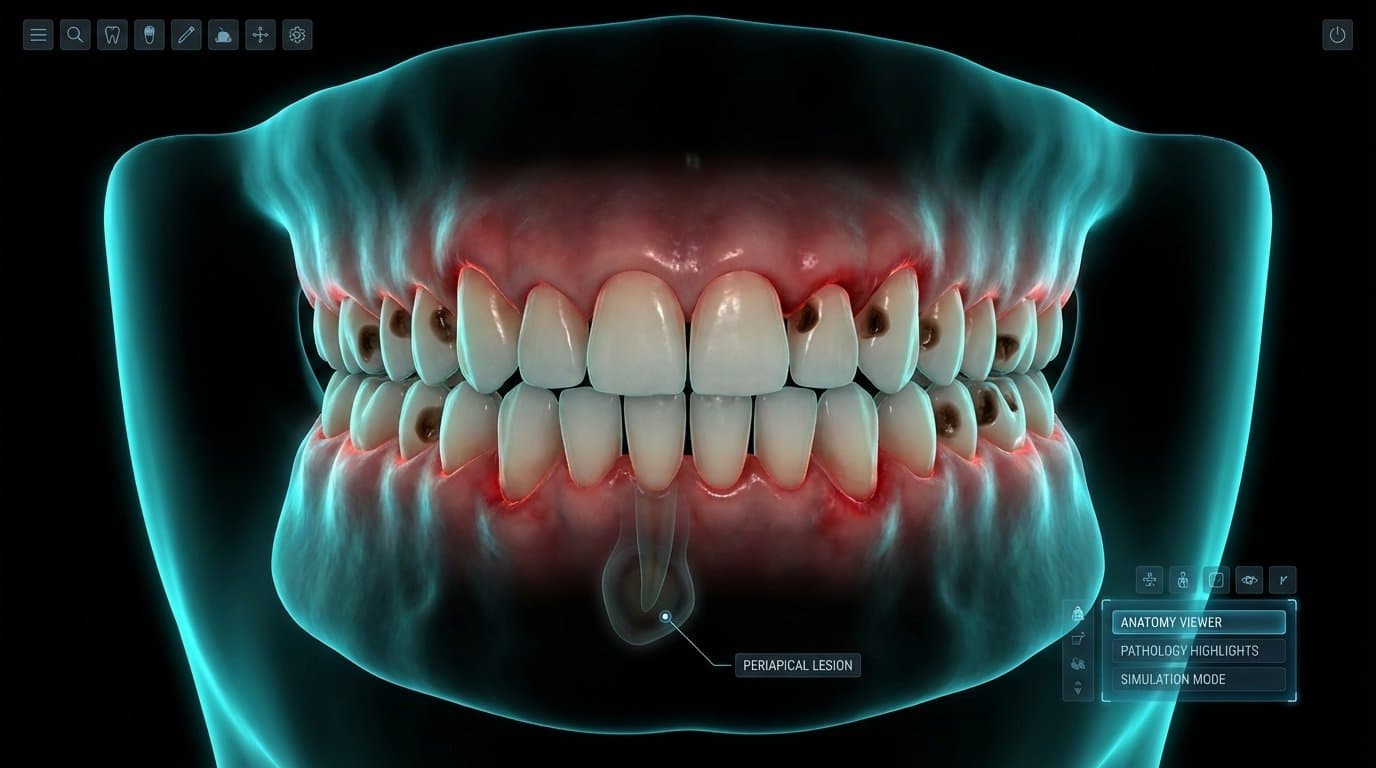
Oral cavity with pathologies
Explore the entire oral cavity in 3D — visualize active pathologies, disease spread across tissues, and the relationship between structures. The simulator renders each condition in its clinical stage directly on the anatomical model.
- Full upper and lower jaw in one view
- Active pathology highlighting per tooth
- Soft tissue inflammation visualization
- Switch between healthy and diseased state
Tooth cross-section: layer by layer
Drill into a single tooth to see exactly how disease progresses through each anatomical layer — from enamel demineralization to pulp involvement and periapical spread.
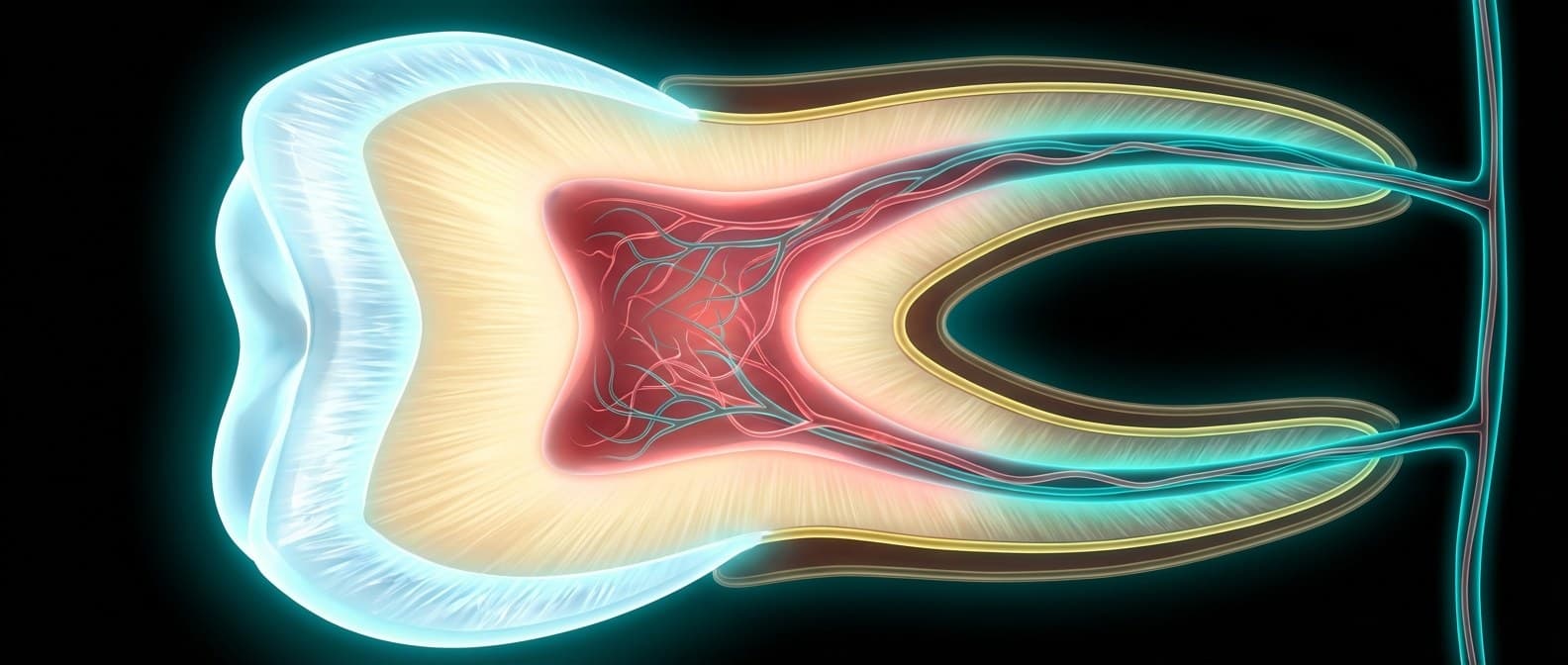
Outer protective layer — first target of caries demineralization
Mineralized tissue — carries pain signals when exposed
Nerve and blood supply — inflamed in pulpitis
Pulp extension — treated in endodontic therapy
Root surface covering — affected in periodontitis
Bone around apex — site of periapical lesions
What each module contains
Every nosology follows a consistent academic structure designed for medical and dental students.
Full Clinical Content
Each disease includes etiology, pathogenesis, classification stages, diagnostics, treatment, and prognosis.
ICD-11 Coded
All 15 nosologies indexed by official ICD-11 codes for academic accuracy and clinical alignment.
Interactive Quizzes
Test clinical knowledge with multiple-choice questions designed around key diagnostic and treatment criteria.
3D Pathology Descriptions
Each disease includes a pathomorphologic description compatible with the 3D organ model system.
VARGATES vs. Traditional Learning
See how simulation-based dentistry education compares to classic textbook and lecture formats.
What's inside each nosology
Every dental disease module is structured for deep clinical comprehension — not just memorization.
Etiology & Pathogenesis
Dental caries is an infectious multifactorial disease caused by acidogenic bacteria (S. mutans, Lactobacillus). Fermentable carbohydrates → organic acids → demineralization of enamel hydroxyapatite...
ICD-11 Staging
DA08.0 — Initial caries (white spot) DA08.1 — Caries limited to enamel DA08.2 — Caries of dentine DA08.3 — Caries of cementum DA08.Z — Dental caries, unspecified...
Clinical Reasoning
A 24-year-old patient presents with tooth sensitivity to sweet foods. Examination reveals a white spot lesion on the buccal surface. What is the most appropriate management?
Complete the module in 2–3 weeks
At 30–45 minutes per nosology, the full 15-disease dentistry curriculum fits into a structured two-week intensive or a comfortable three-week review.
~30–45 min per nosology
Theory + quiz combined
15 nosologies total
Grouped by pathology type
Progress tracked automatically
Per-disease completion status
Self-paced
No deadlines, resume anytime
Who this module is for
The dentistry module is designed to build systematic clinical thinking — from understanding disease mechanisms to applying evidence-based treatment protocols.
- Understand etiology and pathogenesis of 15 core dental diseases
- Apply ICD-11 classification in diagnostic reasoning
- Recognize clinical manifestations and select appropriate diagnostics
- Choose evidence-based treatment approaches by disease stage
- Identify risk factors and implement preventive strategies
Dental Students
Structured curriculum-aligned content for dental and medical students at all competence levels.
Exam Prep
Quiz questions designed to mirror board examination standards with clinical reasoning focus.
Reference Library
Full disease content accessible as a reference — prevalence data, treatment stages, prognosis.
Faculty & Institutions
Assign specific nosologies to students, track progress, and integrate with curriculum.
Common questions
Is the content suitable for both medical and dental students?
Are quiz questions similar to board exams?
How are the 15 nosologies organized?
Can I use this module for exam preparation?
Is the 3D pathology integrated into this module?
Start with the Most Common Disease
Dental caries affects 2.3 billion people globally. Master its pathogenesis, classification, and treatment protocol first.