Blog
Insights on medical education, simulation technology, and clinical training.
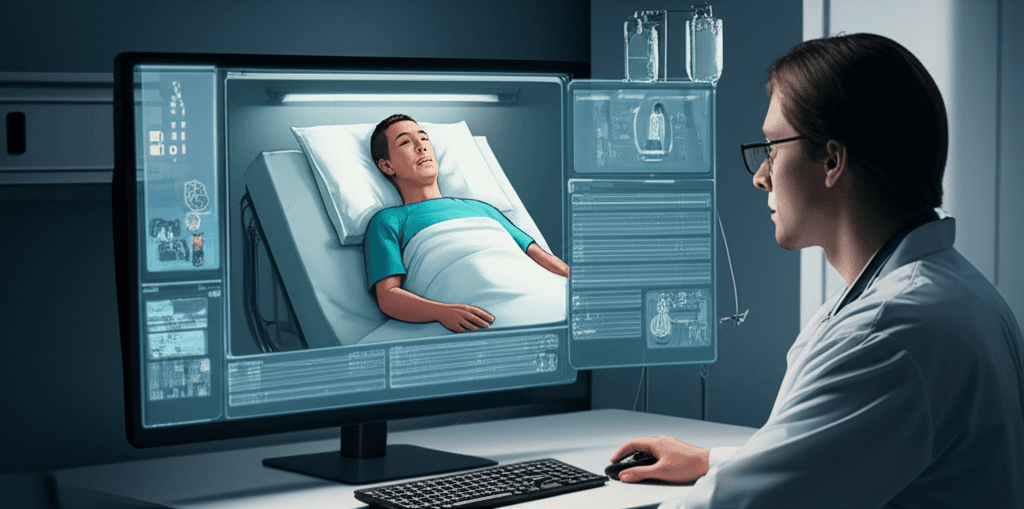
Developing Clinical Reasoning Through Structured Simulation Programs
Clinical reasoning — the cognitive process by which clinicians diagnose and manage patient problems — is the foundation of medical competency. Structured simulation programs specifically designed for reasoning development produce measurably better clinicians.
Gamification in Medical Education: When Game Mechanics Meet Clinical Training
Gamification applies game design principles to educational contexts to increase engagement, motivation, and learning retention. In medical education, well-designed gamification can transform routine practice into compelling learning experiences.
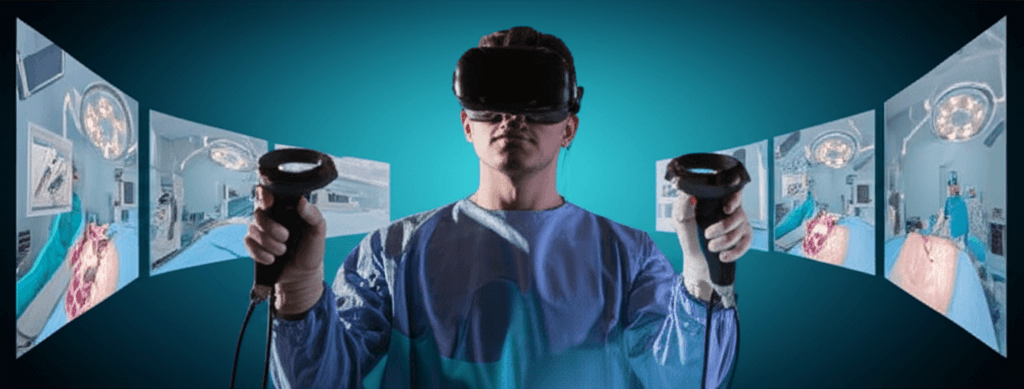
Virtual Reality in Surgical Training: Precision Meets Patient Safety
VR surgical simulators have moved from experimental technology to mainstream training tools. Understanding where VR adds value — and where it falls short — helps surgical training programs make sound technology investments.
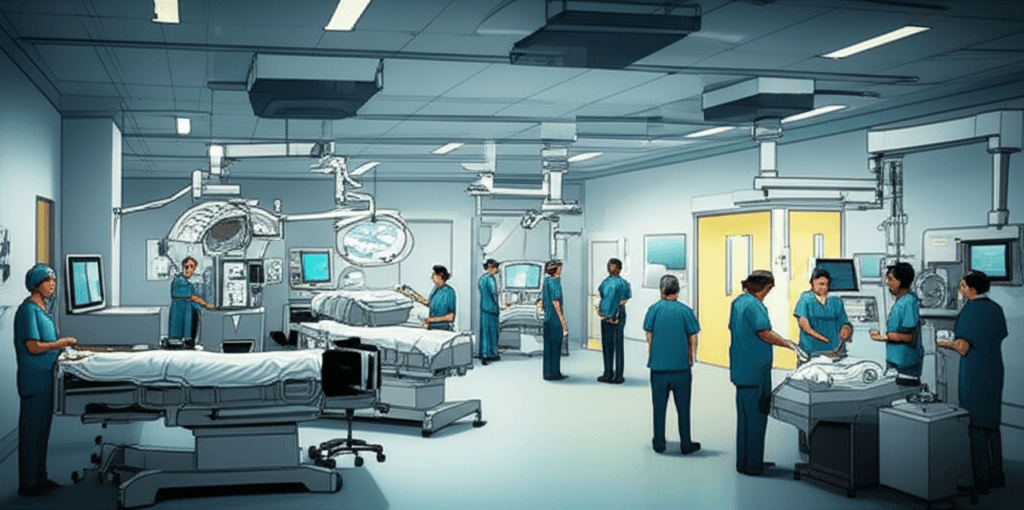
Healthcare Workforce Development at Scale Through Simulation Technology
The global shortage of healthcare workers requires training solutions that scale. Simulation technology enables high-quality clinical training at volumes that traditional apprenticeship models cannot support.
Competency-Based Assessment in Medical Education: The Simulation Advantage
Time-based training is giving way to competency-based progression across medical education worldwide. Simulation provides the standardized assessment infrastructure that competency-based frameworks require.

Sharpening Diagnostic Reasoning Through Virtual Patient Practice
Diagnostic errors are a leading cause of preventable patient harm. Virtual patient simulation specifically designed to develop diagnostic reasoning provides systematic practice in the cognitive skills that reduce diagnostic error rates.
Pharmacy Education and Clinical Simulation: Bridging the Theory-Practice Gap
Pharmacy graduates must be medication experts and clinical advisors. Simulation helps pharmacy programs develop the patient counseling, drug interaction identification, and clinical decision-making skills that practice demands.
Training for Telemedicine: How Virtual Patients Prepare Clinicians for Remote Care
Telemedicine has permanently entered mainstream clinical practice. Yet most clinical training programs have not adapted to teach the distinct skills that effective remote consultations require. Virtual patient simulation fills that gap.
How AI Is Changing Virtual Patient Interactions in 2026
An examination of how artificial intelligence is transforming virtual patient simulation through natural language processing, adaptive difficulty, automated assessment, and personalized learning pathways.
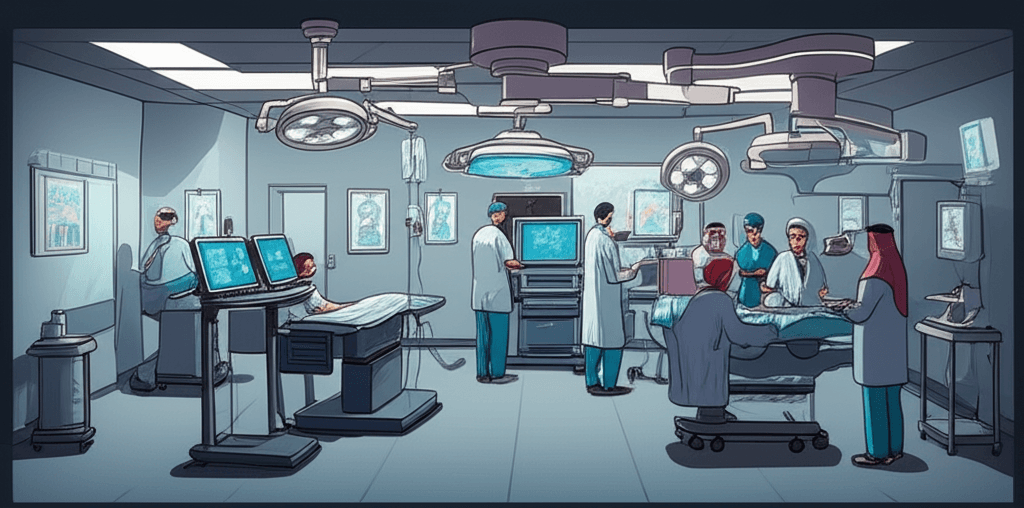
Medical Simulation in the Middle East: Growing Demand and Strategic Opportunities
The Middle East is one of the fastest-growing markets for medical simulation globally. Healthcare expansion, medical education reform, and government investment in health sector capacity are driving institutional demand across the region.
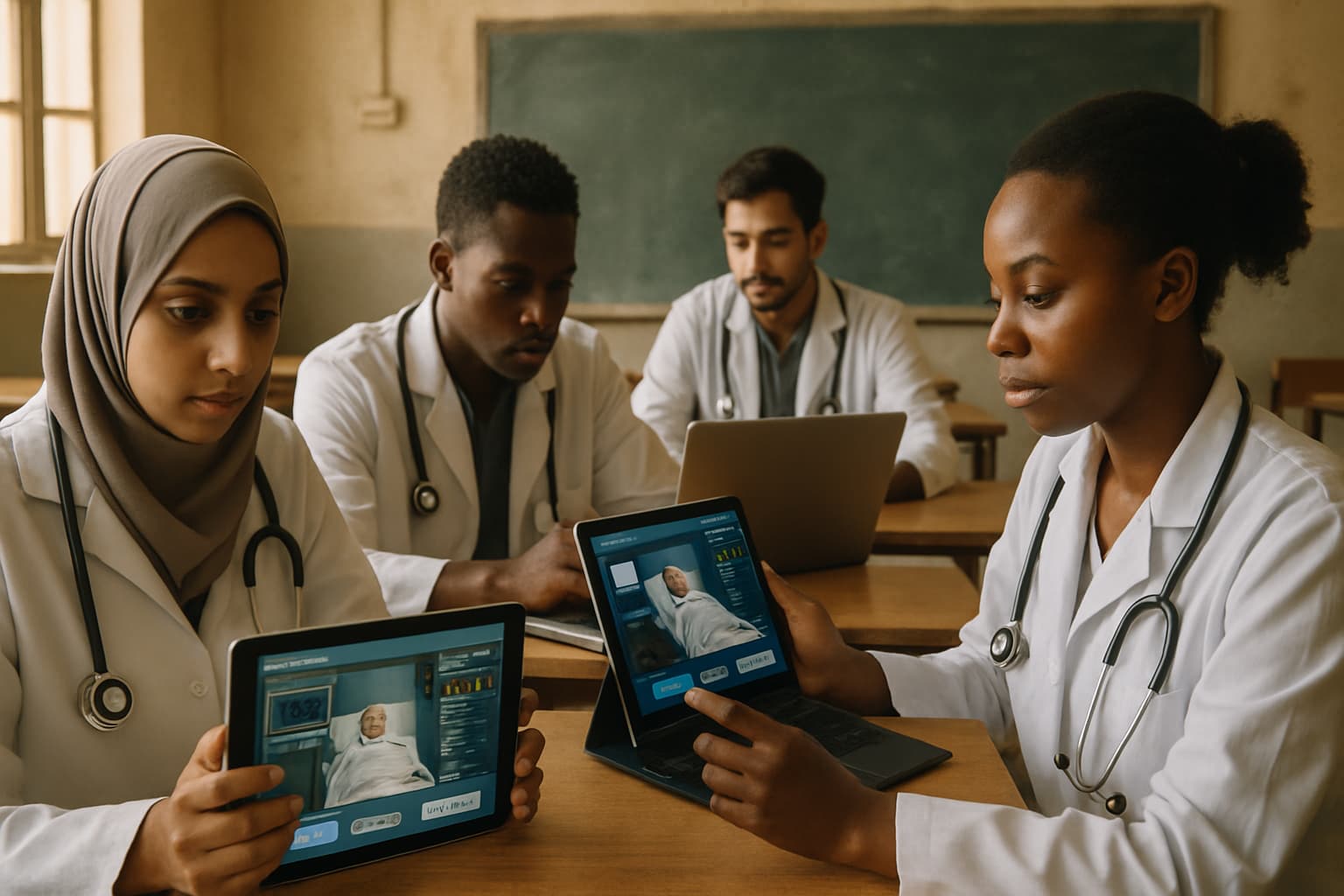
Medical Simulation in Developing Countries: Affordable Approaches
Practical strategies for implementing effective medical simulation programs in resource-constrained settings, covering low-cost technologies, mobile solutions, and partnership models.
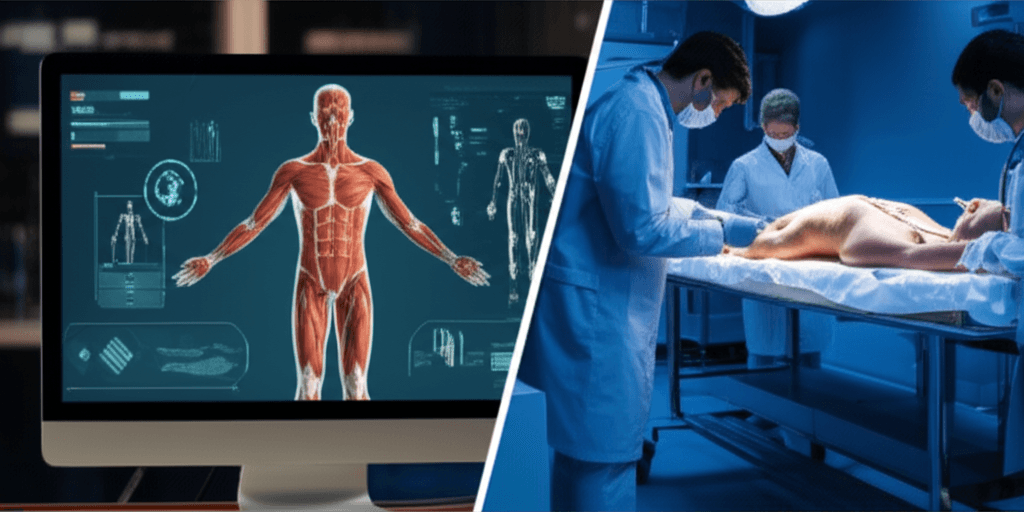
3D Digital Anatomy vs. Cadaver Dissection: A Practical Comparison for Educators
Cadaver dissection has been the cornerstone of anatomy education for centuries. Digital 3D anatomy platforms are challenging that tradition — not by replacing it but by offering complementary capabilities that address dissection's inherent limitations.

Case-Based Learning in Medical Education: Evidence and Implementation
An evidence-based overview of case-based learning in medical education, covering pedagogical foundations, implementation strategies, technology integration, and measurable outcomes for curriculum designers.
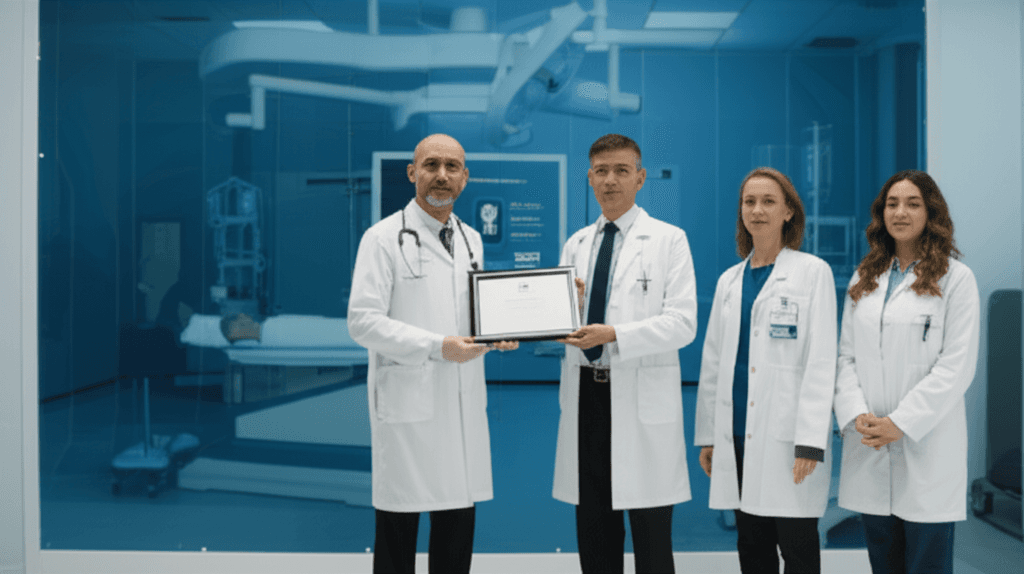
Medical Simulation Certification: What Healthcare Educators Need to Know
Simulation center accreditation, faculty certification, and program credentialing are increasingly defining quality in simulation-based medical education. Understanding the certification landscape helps institutions build programs that meet recognized standards.
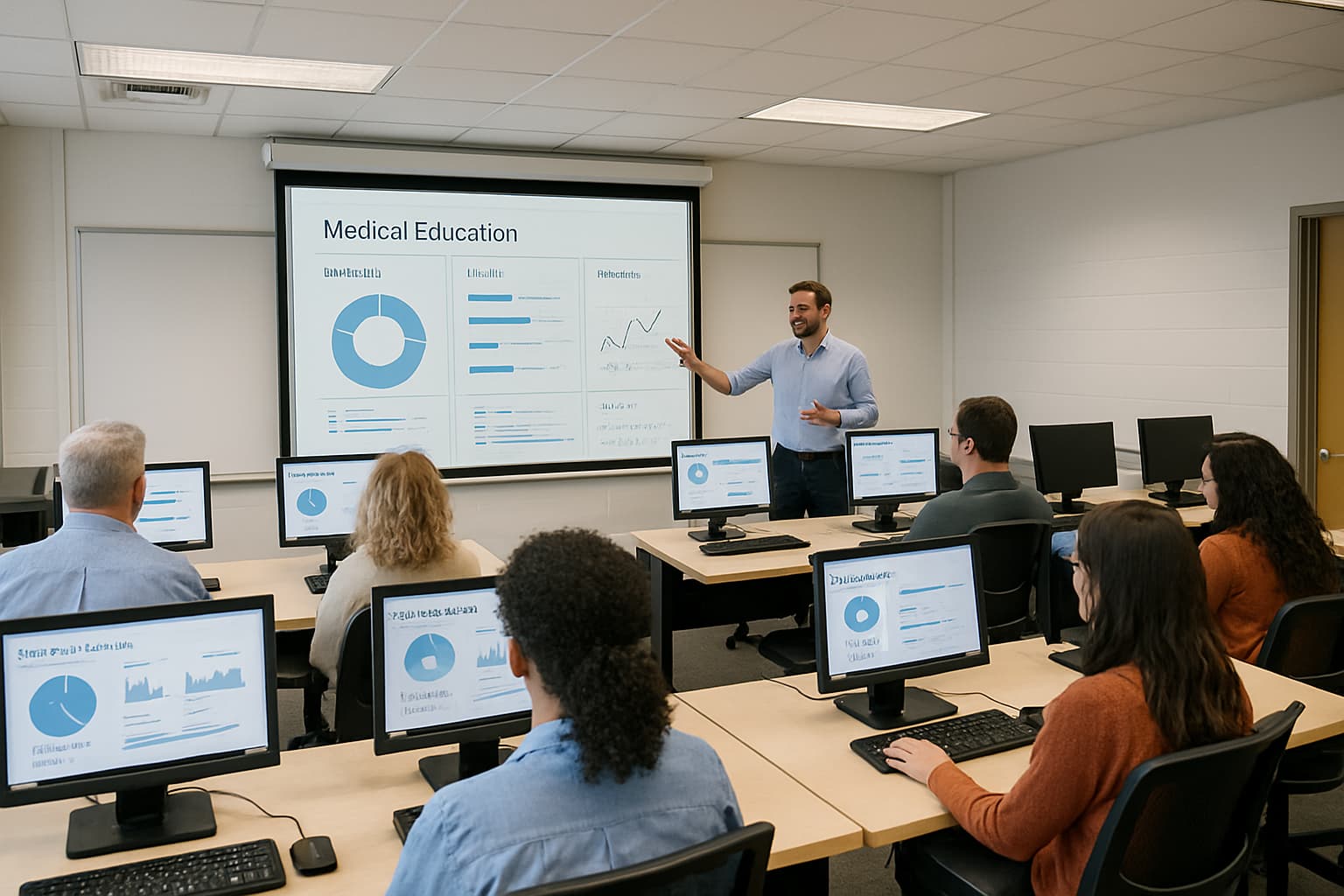
Faculty Onboarding for Medical Simulation Platforms: Best Practices
A practical guide for simulation center directors on how to drive faculty adoption of virtual patient platforms through champions programs, training design, and change management strategies.
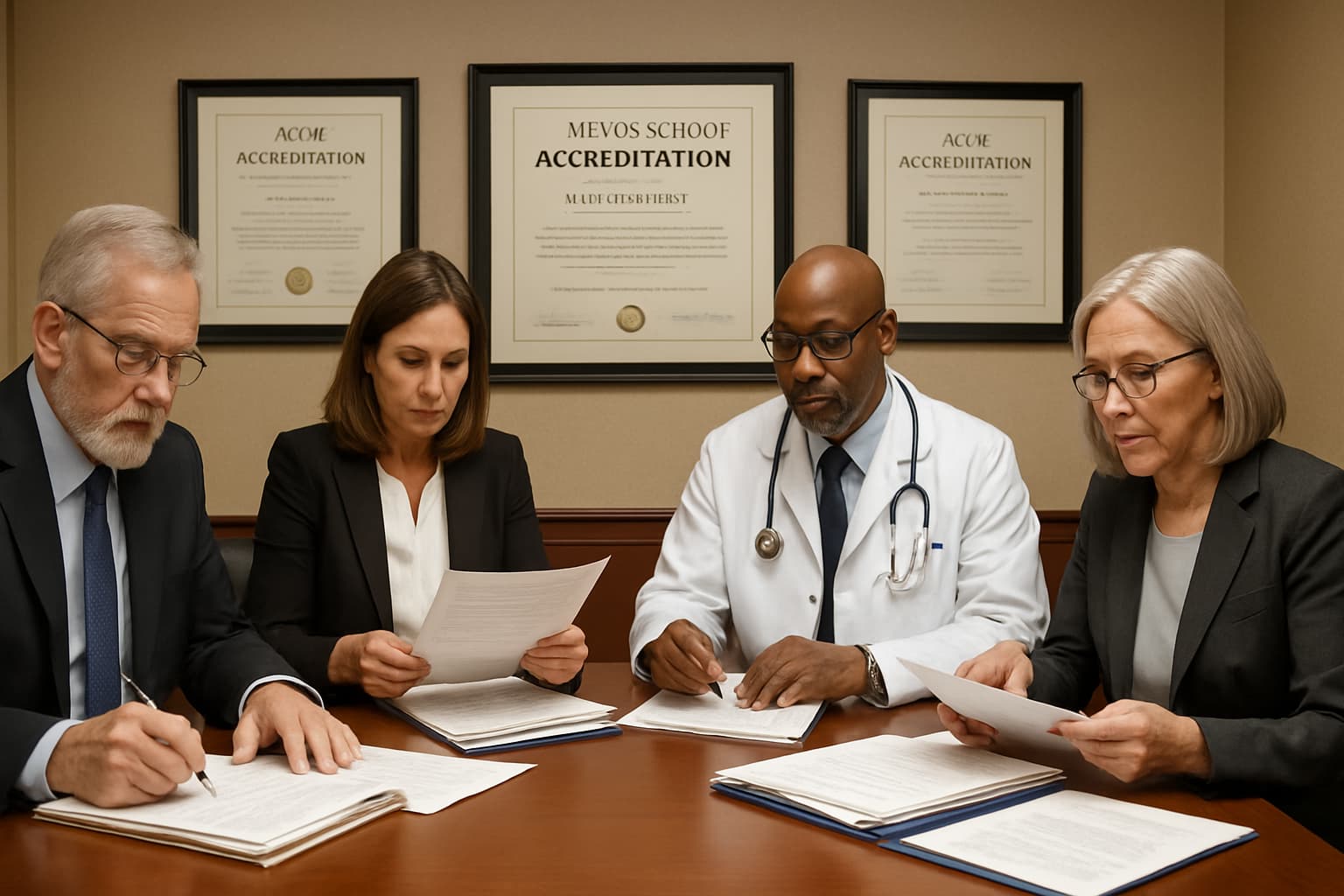
Medical Simulation Accreditation Requirements: What Deans Need to Know
A comprehensive overview of simulation requirements from major medical education accreditation bodies including LCME, WFME, and regional standards, with practical compliance strategies.

Teaching Clinical Communication Skills Through Virtual Patient Encounters
Poor clinical communication is a leading driver of patient dissatisfaction, diagnostic error, and adverse events. Simulation-based communication training produces measurable improvements in both patient experience and clinical outcomes.
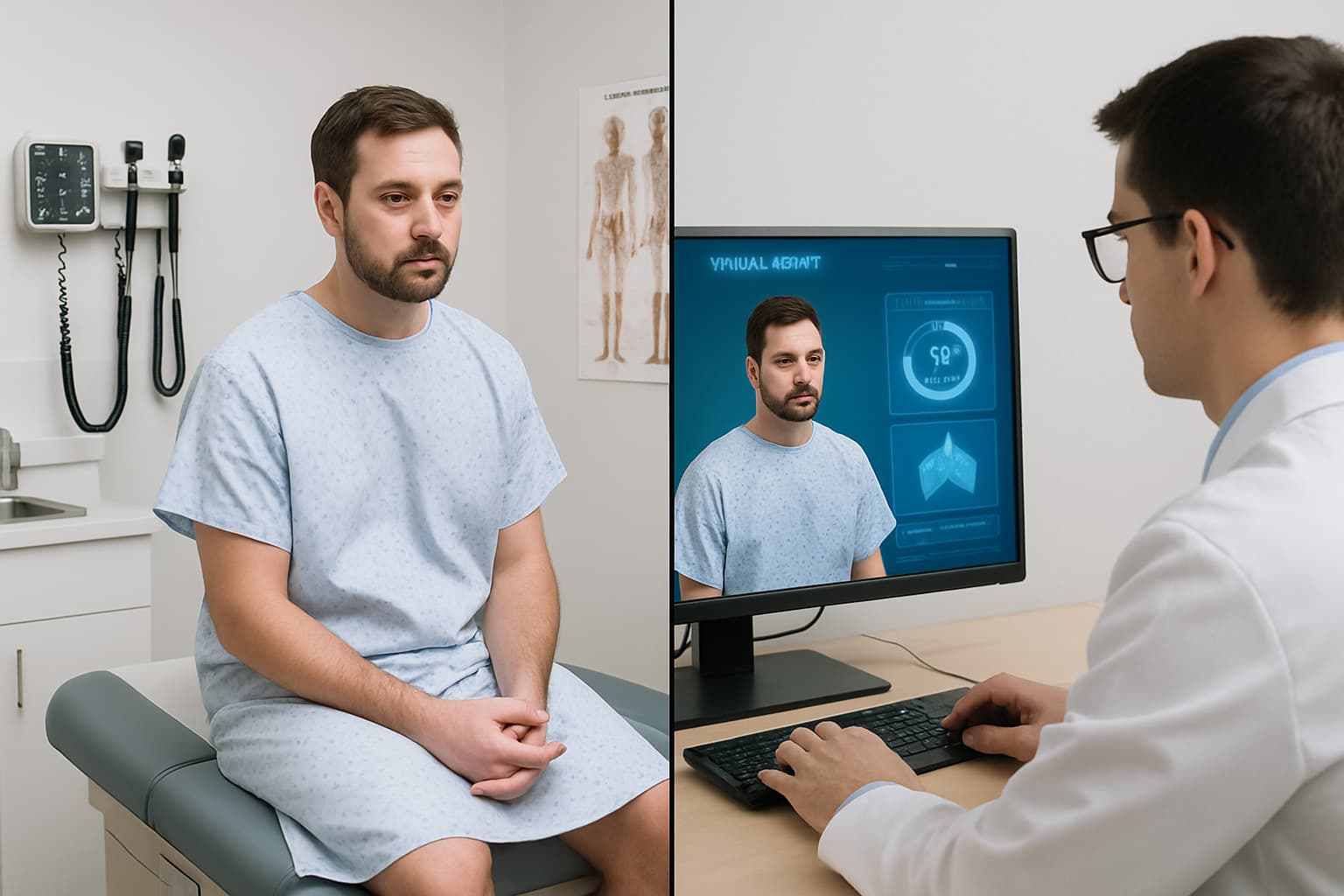
Virtual Patients vs Standardized Patients: Cost and Outcome Comparison
A detailed financial and educational comparison of virtual patient platforms versus standardized patient programs, examining cost per encounter, scalability, consistency, and measurable learning outcomes.
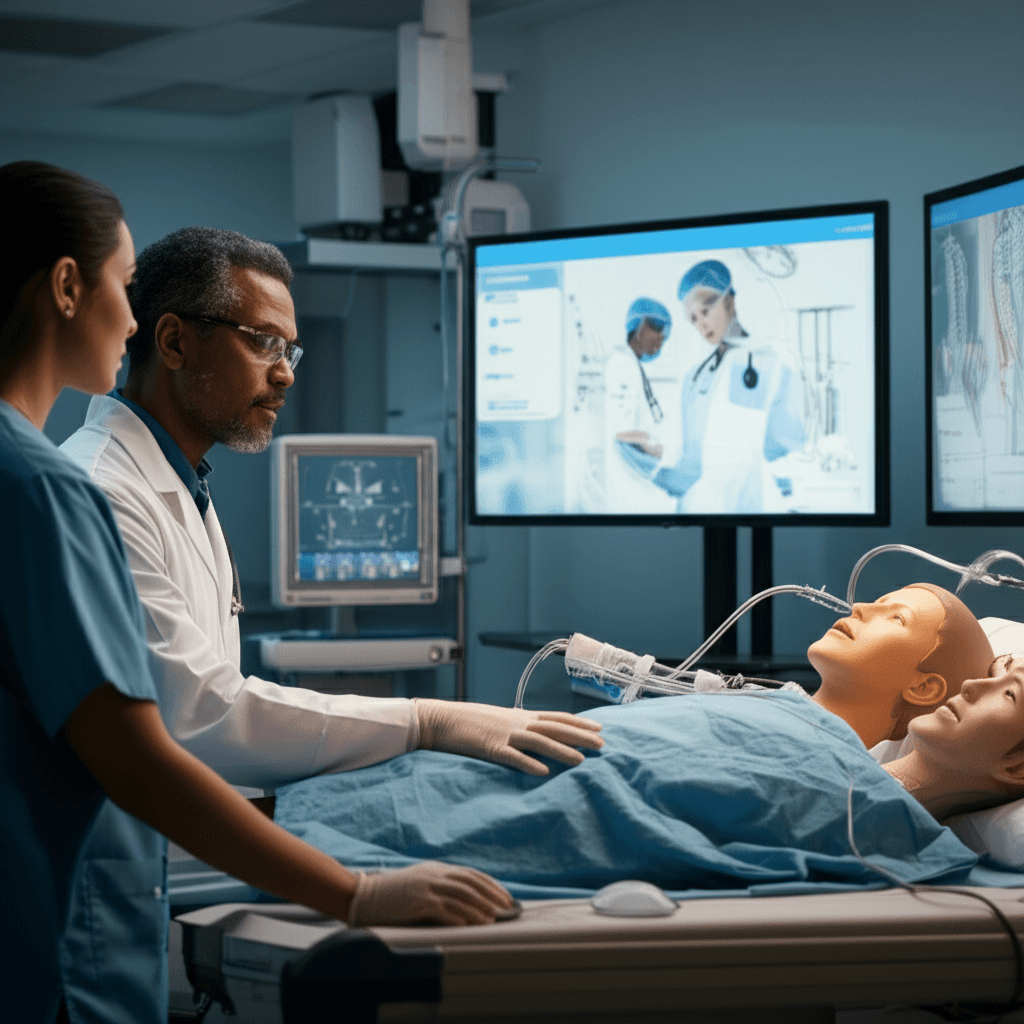
Continuing Medical Education in the Simulation Era: Keeping Skills Sharp
Medical licensing requires continuing education, but much CME fails to change clinical practice. Simulation-based CME demonstrably improves performance — and healthcare organizations are increasingly mandating it for specific competencies.

How Simulation Is Reshaping Residency Training Programs
Duty hour restrictions, patient complexity, and evolving competency frameworks have created both pressure and opportunity for simulation to take a central role in graduate medical education. Leading residency programs are redesigning around simulation.
Как проводить практические занятия по клинике онлайн
Пошаговый сценарий для преподавателя: как перевести клиническую практику в онлайн-формат без потери структуры занятия и использовать бесплатный professor flow в VARGATES.
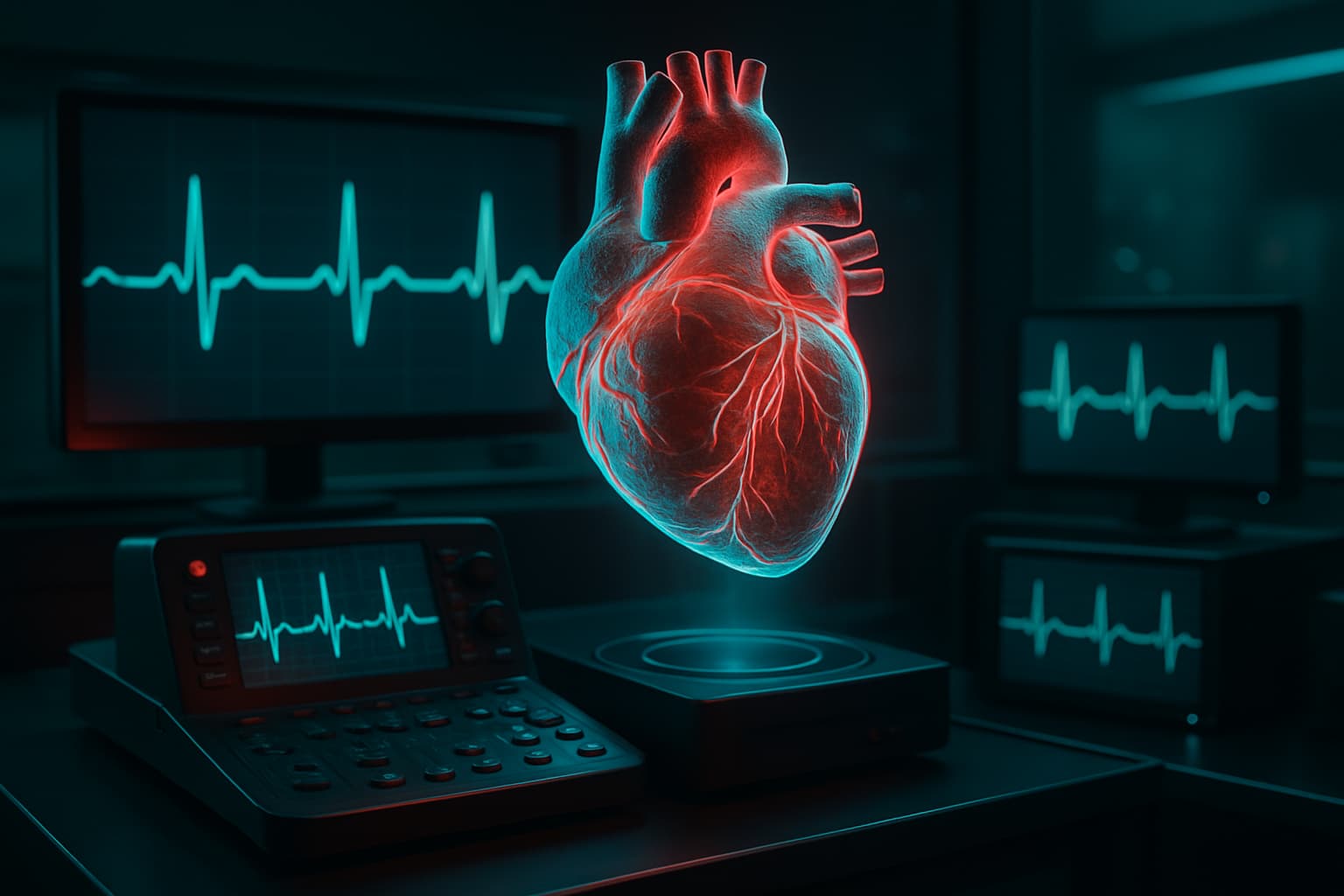
Virtual Patient Cases for Cardiology Students: 2026 Guide
A practical guide for medical schools choosing cardiology virtual patient cases, including what students should practice, what faculty should measure, and how browser-based case libraries outperform ad hoc worksheets.
OSCE подготовка онлайн — 500+ клинических случаев
Как использовать online case practice для OSCE: какие сценарии действительно поднимают готовность студентов и почему большая библиотека случаев важнее разовых чек-листов.
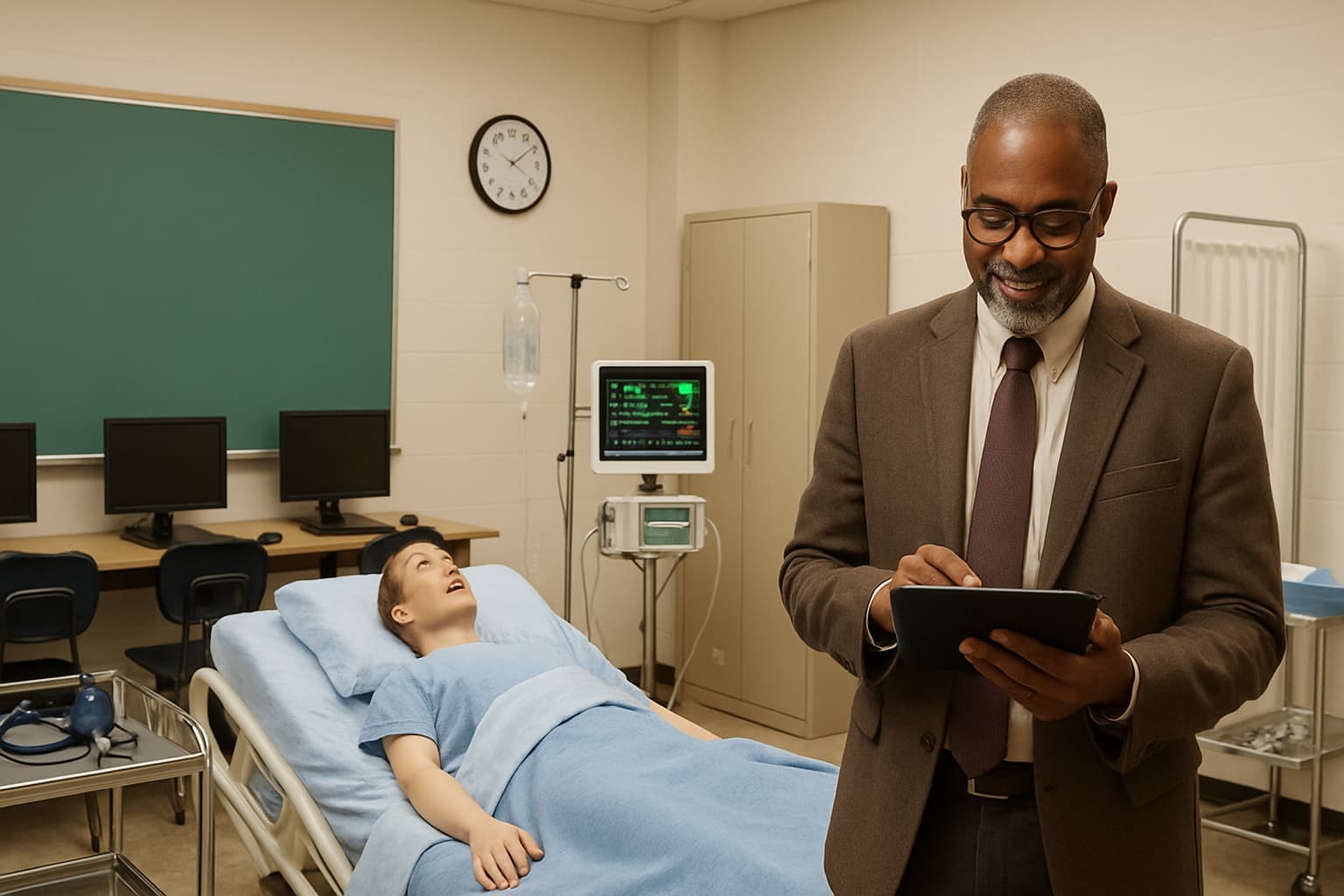
Медицинская симуляция без VR оборудования — браузерный подход
Почему кафедры и симуляционные центры все чаще начинают не с дорогого VR-парка, а с browser-first платформы, где клинические кейсы доступны с любого ноутбука.

How Medical Schools Measure Simulation ROI: Metrics That Matter
A framework for calculating the return on investment of medical simulation programs, covering cost-per-student metrics, outcome improvements, accreditation value, and long-term institutional benefits.
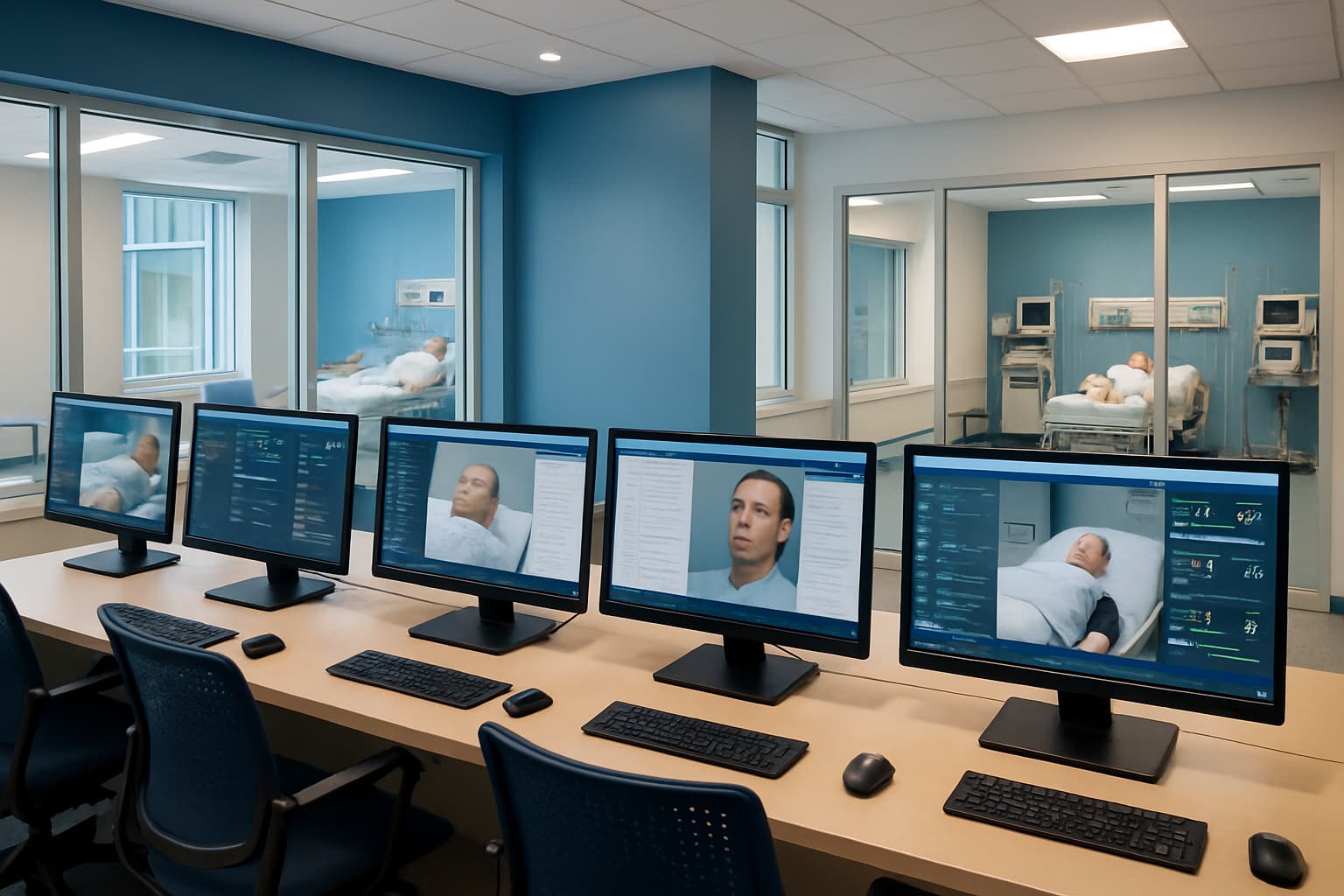
Клинические симуляторы для медицинских кафедр — обзор 2026
Разбор форматов медицинской симуляции для кафедр: VR-лаборатории, стандартные пациенты и браузерные virtual patient платформы с выводом, где VARGATES дает лучший старт без долгого внедрения.
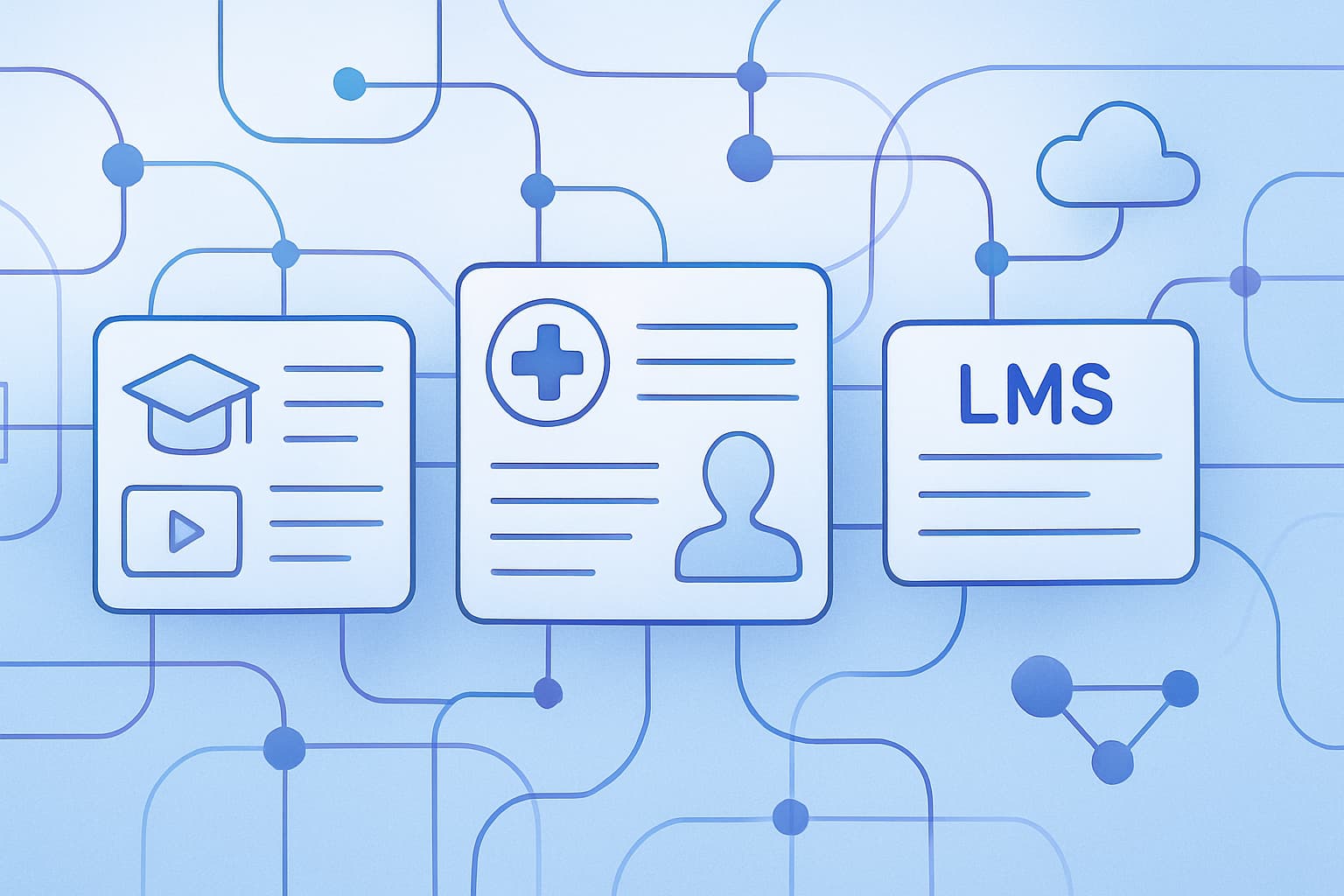
SCORM vs xAPI in Medical Education: Choosing the Right Standard
A technical comparison of SCORM and xAPI learning data standards for medical education, covering LMS integration, granular tracking, and future-proofing institutional investments.
How to Set Up a Medical Simulation Center on a Limited Budget
A practical guide for medical schools building simulation capabilities with constrained resources, covering phased implementation, equipment priorities, and software-first strategies.
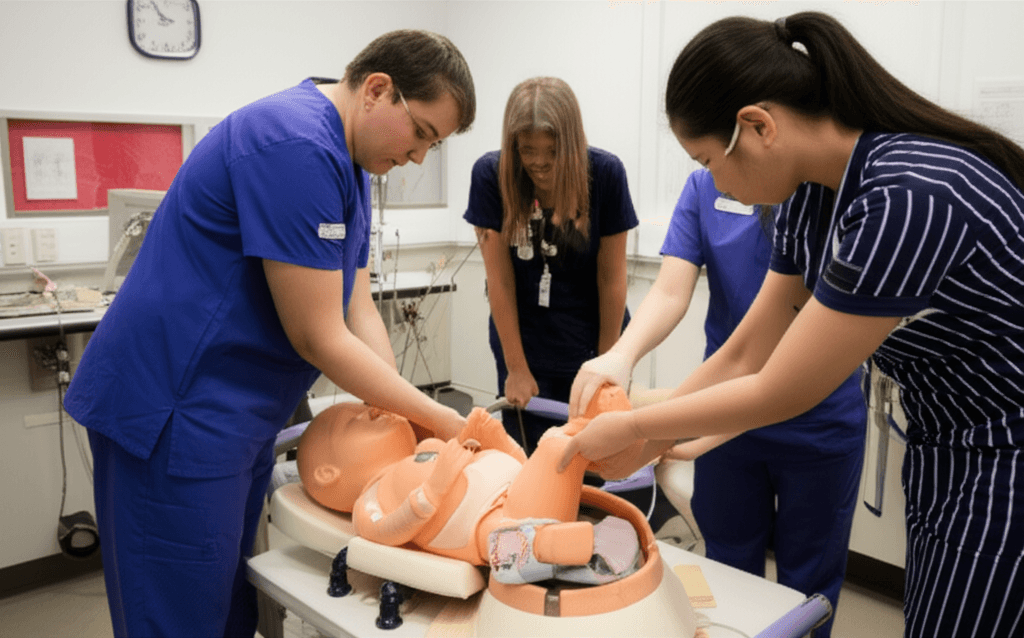
Obstetrics Simulation: Training for One of Medicine's Highest-Stakes Specialties
Obstetric emergencies develop without warning and require coordinated, rapid responses. Simulation training in obstetrics directly reduces maternal and neonatal adverse event rates at institutions that implement regular drills.
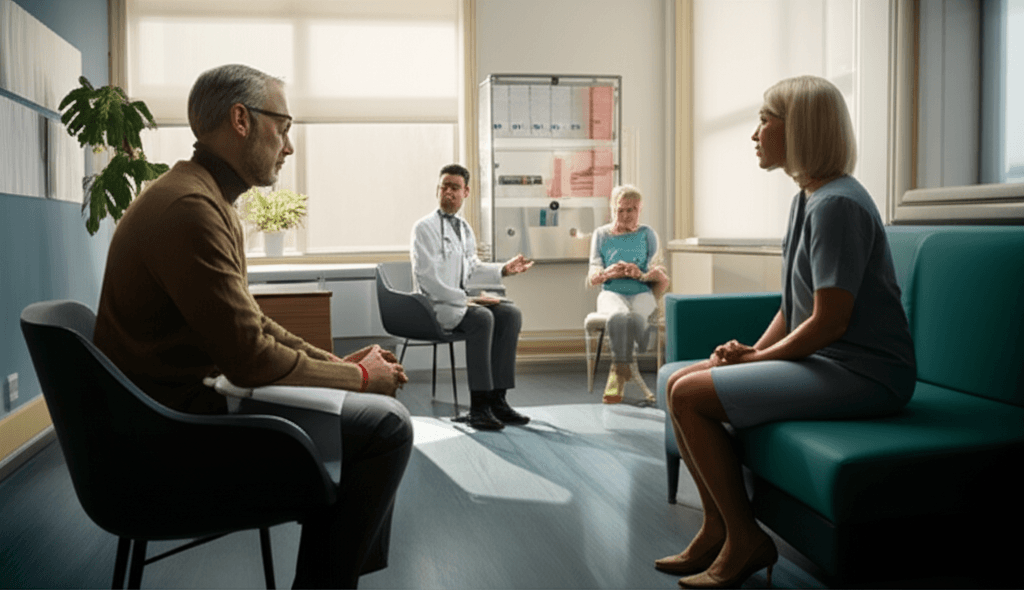
Virtual Patients in Psychiatry: Simulation for Mental Health Clinical Encounters
Psychiatric clinical skills — building therapeutic rapport, conducting mental status examinations, managing acute psychiatric emergencies — are among the most challenging to develop. Virtual patient simulation provides systematic practice that real clinical rotations cannot guarantee.
Virtual Patient Simulation Platforms Compared: VARGATES vs Body Interact vs Oxford Medical Simulation
An objective comparison of leading virtual patient simulation platforms across clinical breadth, interactivity, 3D capabilities, and institutional integration for medical education decision-makers.
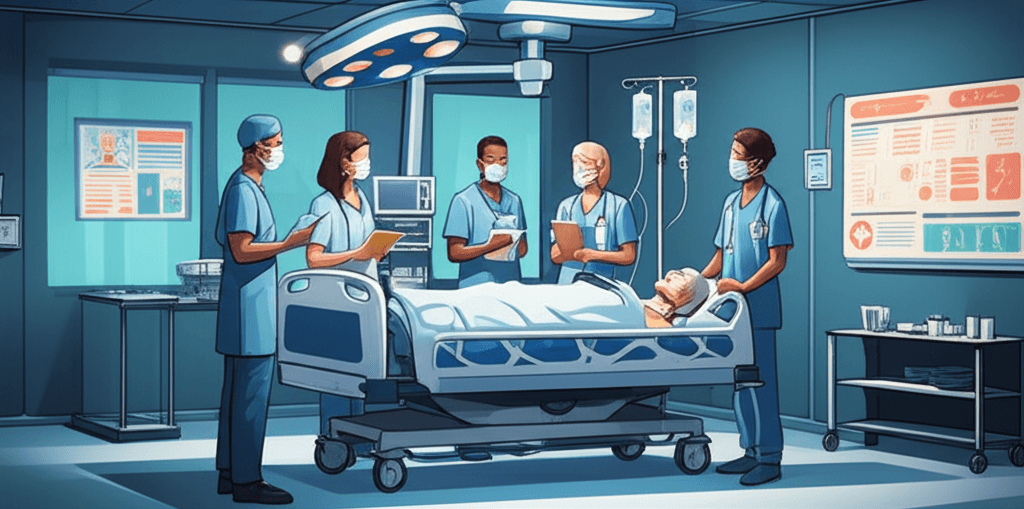
Building a Safety Culture Through Medical Simulation
Patient safety culture — the shared values, beliefs, and practices around safe care — can be systematically developed through simulation training. Organizations that use simulation as a safety culture tool document measurable improvements in adverse event rates.
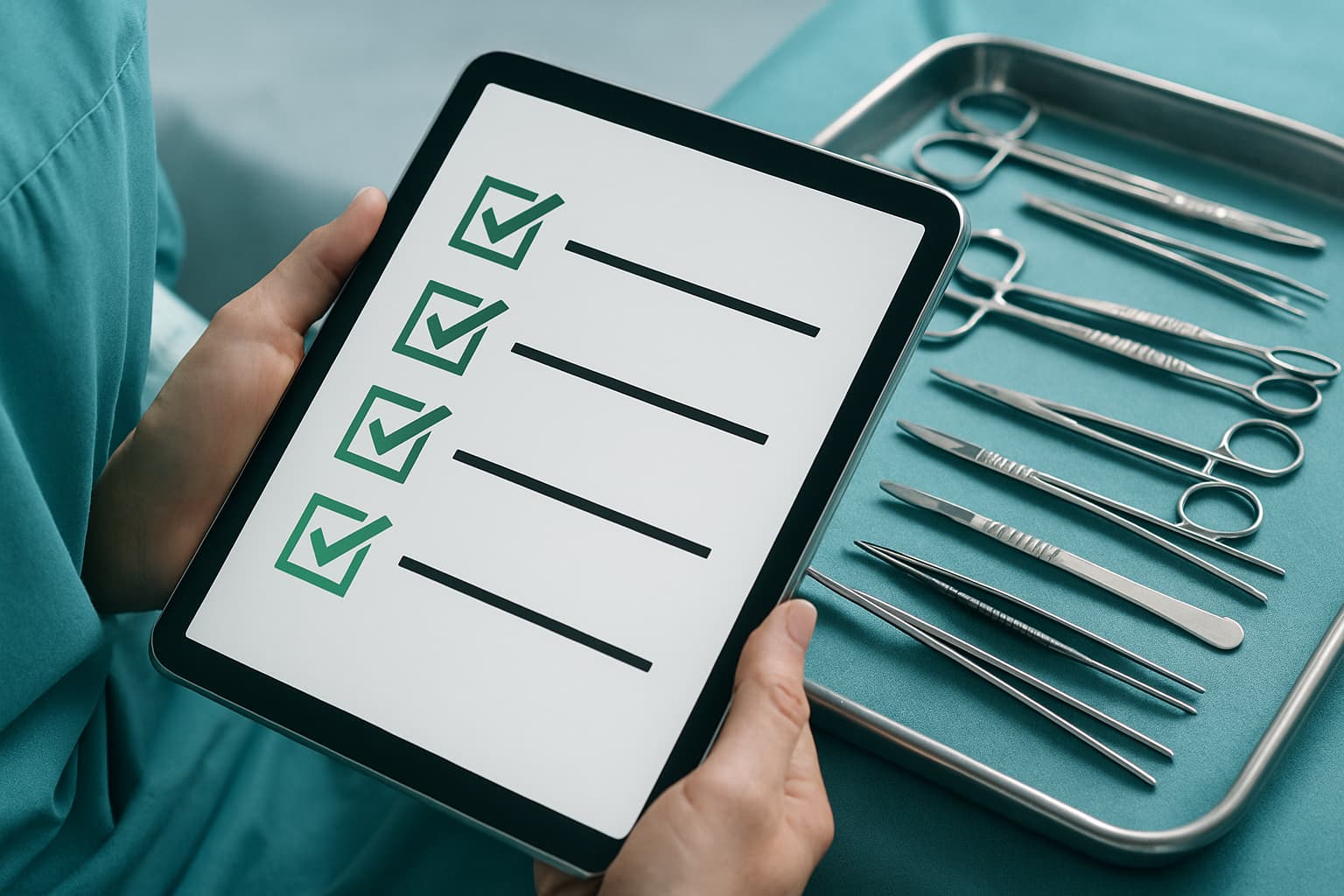
Why Medical Procedure Checklists Improve Patient Safety
Procedural checklists reduce medical errors, standardize technique, and provide structured training pathways for medical students learning clinical procedures.

Interprofessional Team Simulation: Training Healthcare Teams to Work Together
Patient safety research identifies communication failures and poor team coordination as primary drivers of adverse events. Interprofessional simulation training directly addresses these systemic vulnerabilities by training teams together.

Preparing for Clinical Rotations with Virtual Clinic Practice
Medical students who practice with virtual patients before clinical rotations arrive better prepared, learn more from real patient encounters, and demonstrate higher clinical competence.

The Science of Debriefing: How Reflection Amplifies Simulation Learning
Debriefing is the educational engine of simulation-based learning. Research shows that what happens after the scenario matters more than the scenario itself — yet debriefing quality varies enormously across programs.

How Medical Universities in Central Asia Adopt Simulation Training
Medical schools across Kazakhstan, Uzbekistan, and the wider CIS region are rapidly adopting simulation-based education to meet accreditation standards and improve clinical training quality.
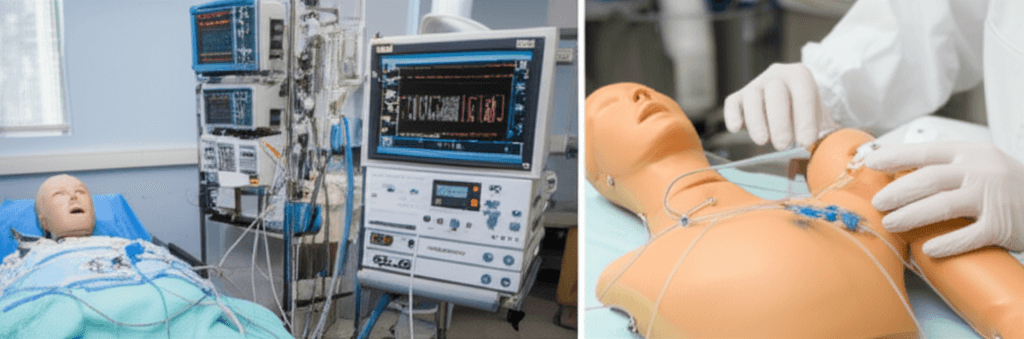
High-Fidelity vs. Low-Fidelity Medical Simulation: Choosing the Right Tool
More expensive simulation technology is not always more educationally effective. Understanding the relationship between simulation fidelity and learning outcomes helps institutions make evidence-based investment decisions.
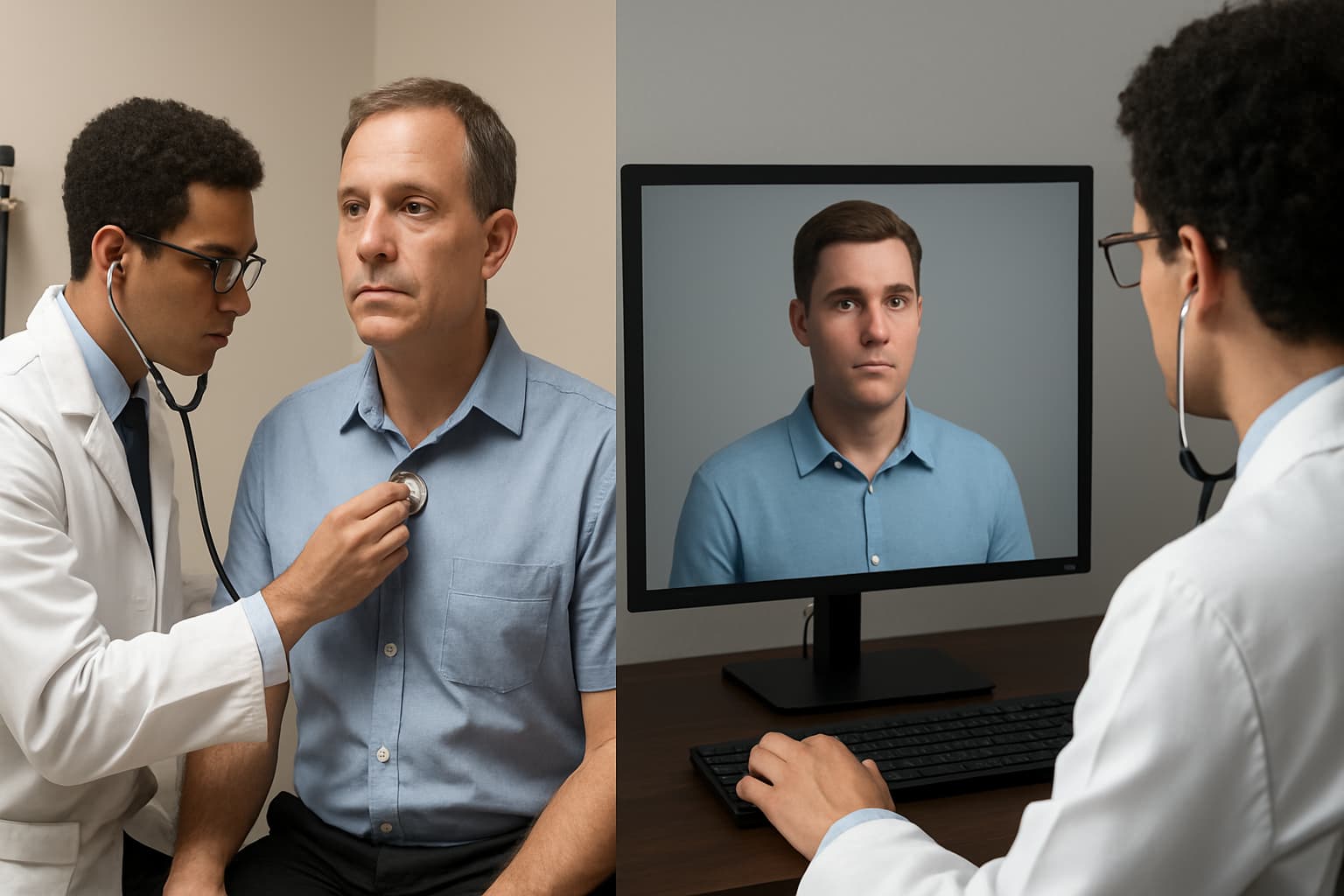
Standardized Patients vs Virtual Patients: Cost and Effectiveness
Comparing trained actor-patients with AI-powered virtual patients across key dimensions: cost per student hour, scalability, consistency, and educational effectiveness.
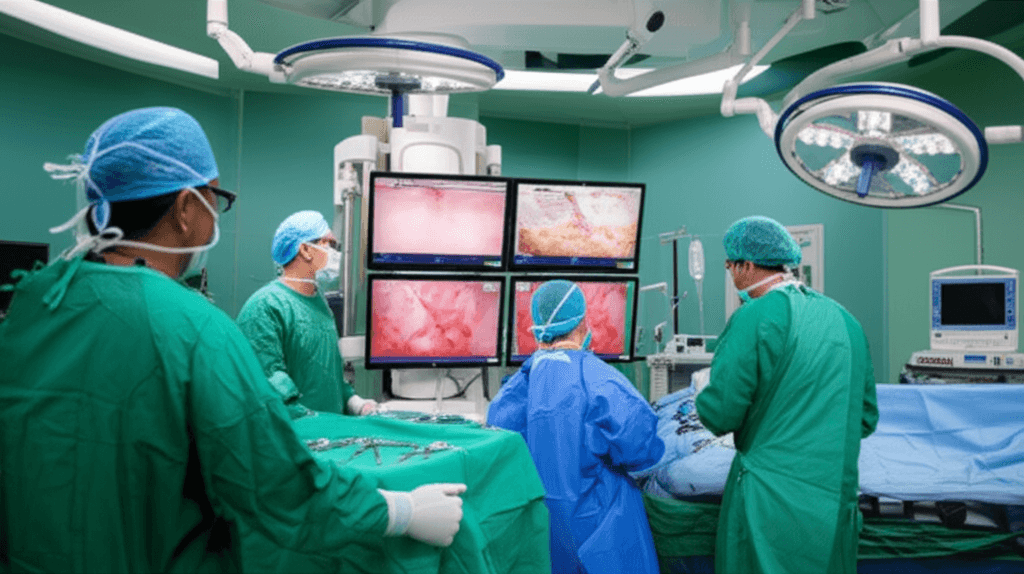
Surgical Skills Simulation: From Bench Training to the Operating Room
Surgical training has undergone a fundamental shift as duty hour limits and patient safety concerns have driven the development of simulation-based skills acquisition. Modern surgical simulators bridge the gap between novice and competent operator.
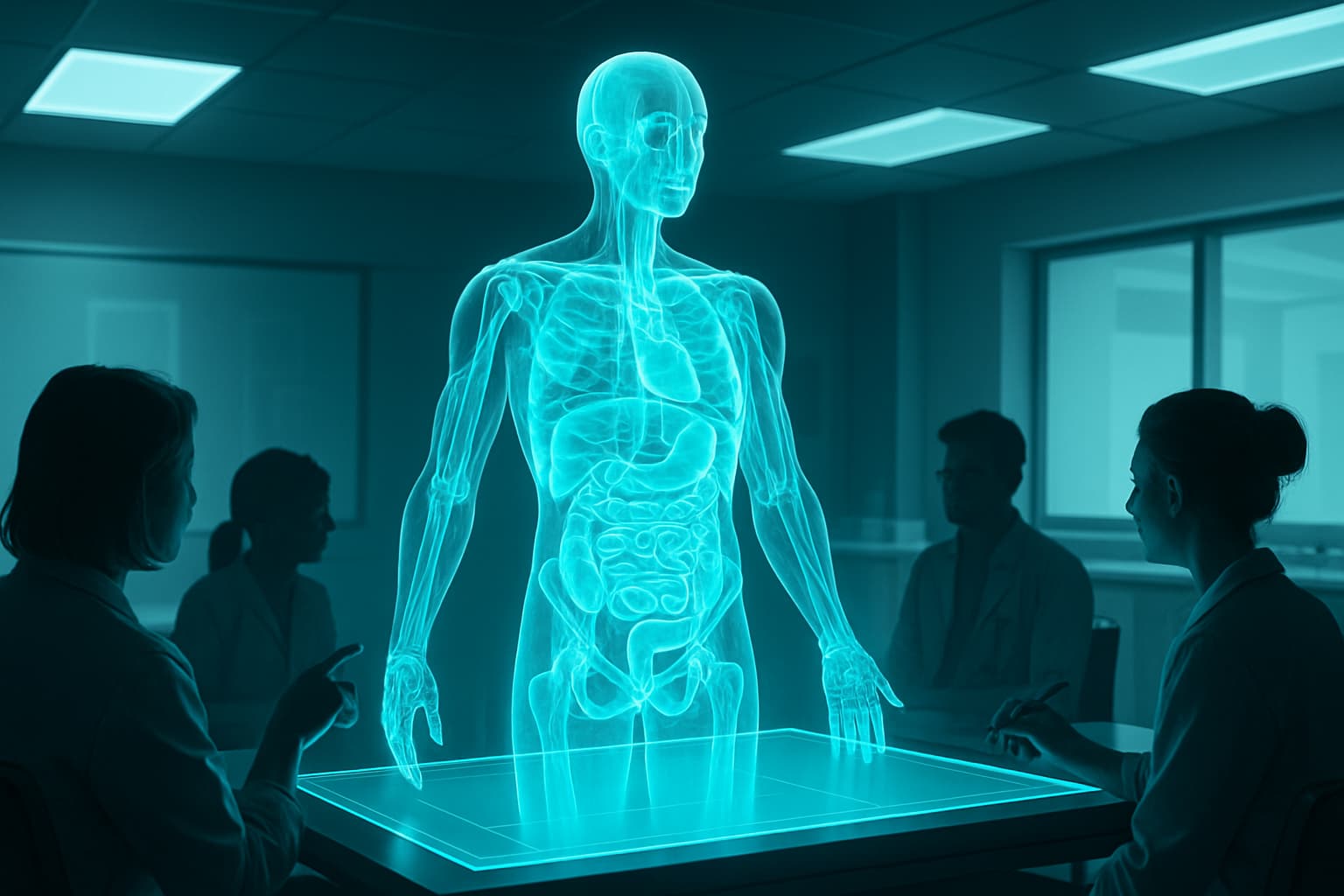
The Role of 3D Anatomy Models in Modern Medical Education
Interactive 3D anatomy applications are supplementing cadaver dissection by giving students unlimited access to manipulable human body models across all organ systems.
How Virtual Patients Transform OSCE Preparation for Medical Students
OSCEs assess clinical competency across multiple stations in a single high-stakes examination. Virtual patient practice gives students the systematic exposure they need to perform confidently under OSCE conditions.
Cardiology Training Through Virtual Patient Scenarios
Virtual cardiology cases let medical students practice evaluating chest pain, interpreting cardiac findings, and managing heart failure in realistic clinical scenarios.
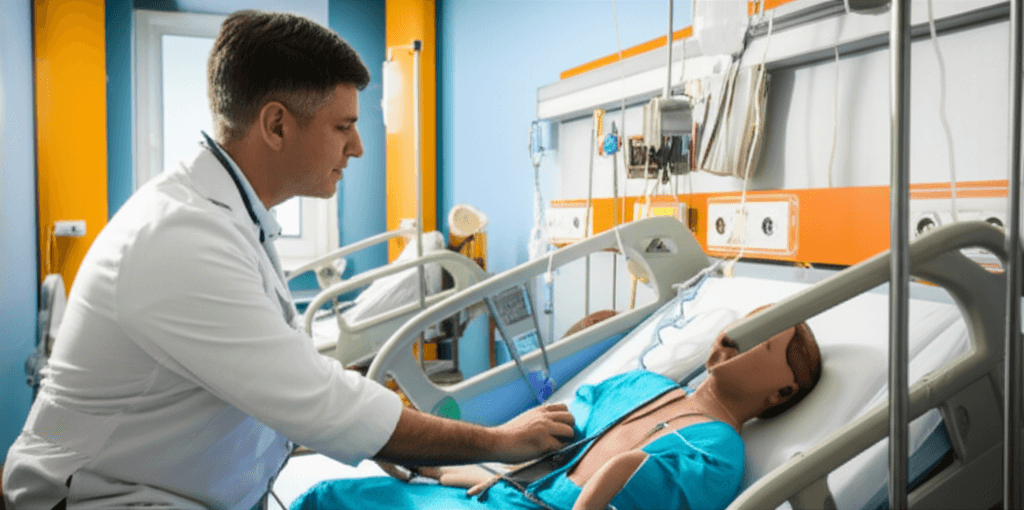
Pediatric Simulation Training: Preparing for the Most Challenging Patients
Pediatric patients present unique physiological, developmental, and communication challenges that require specialized preparation. Simulation provides the practice volume and scenario breadth that clinical rotations alone cannot deliver.

Building a Simulation Center: What Medical Schools Need to Know
A practical guide for medical school administrators planning a simulation center, covering space requirements, technology choices, staffing, curriculum integration, and budget planning.
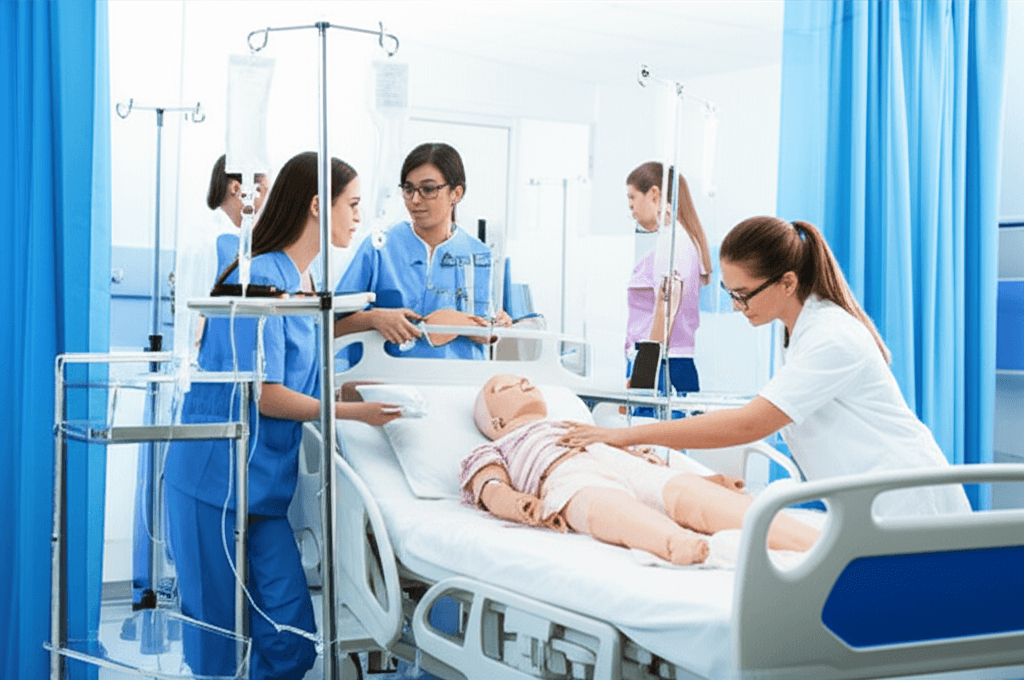
Nursing Simulation: Building Clinical Competency Before the Bedside
Nursing education faces a persistent gap between classroom theory and clinical practice. Simulation training bridges that divide, giving nursing students safe opportunities to develop the technical and communication skills essential for patient care.
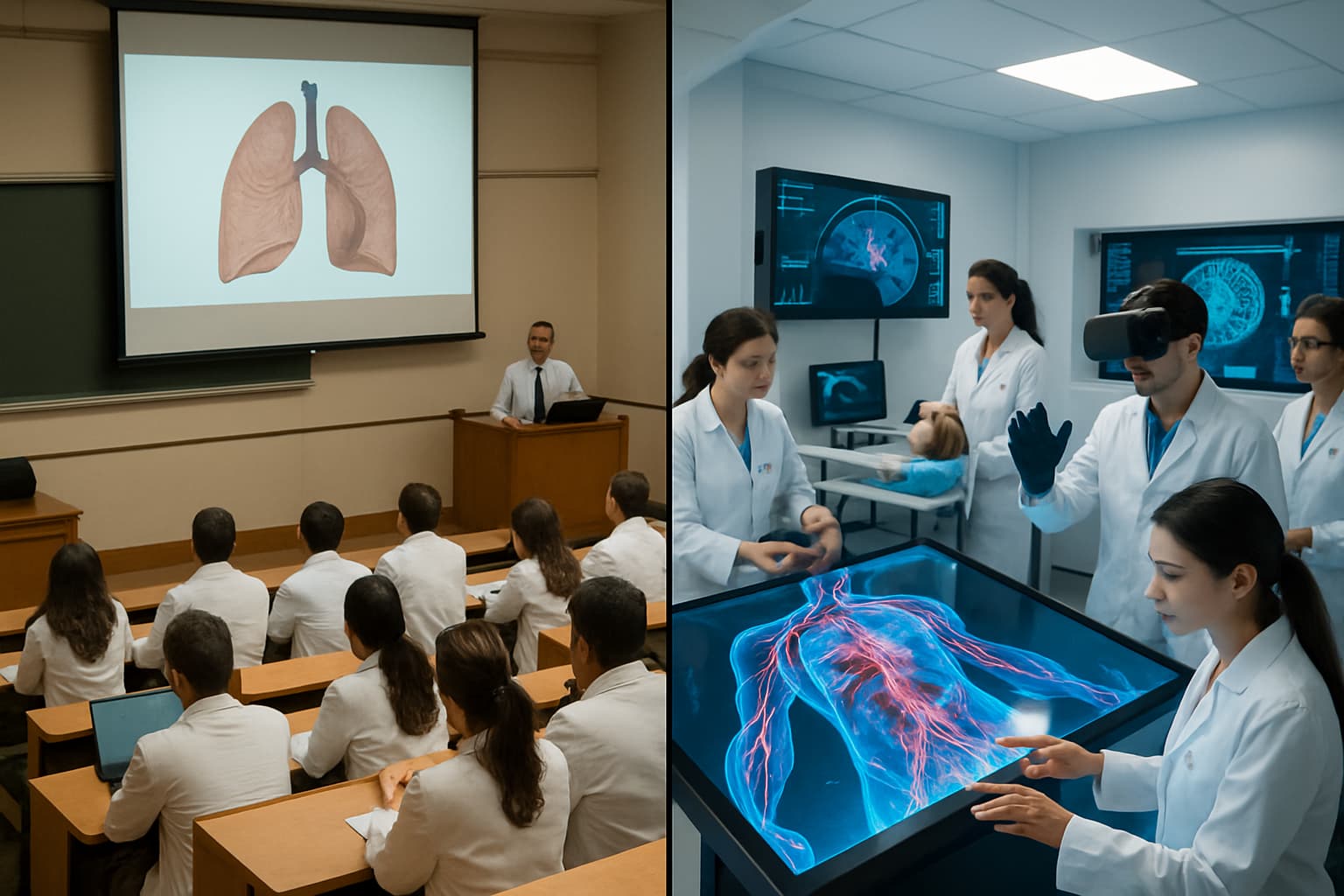
Medical Simulation vs Traditional Lectures: Evidence-Based Comparison
Research consistently shows that simulation-based medical education outperforms lecture-only approaches in clinical skill development, knowledge retention, and student engagement.

Emergency Medicine Simulation: Training Clinicians for High-Stakes Decisions
Emergency medicine demands split-second clinical decisions under pressure. Simulation training builds the cognitive and procedural skills that emergency physicians need before crisis situations arise.
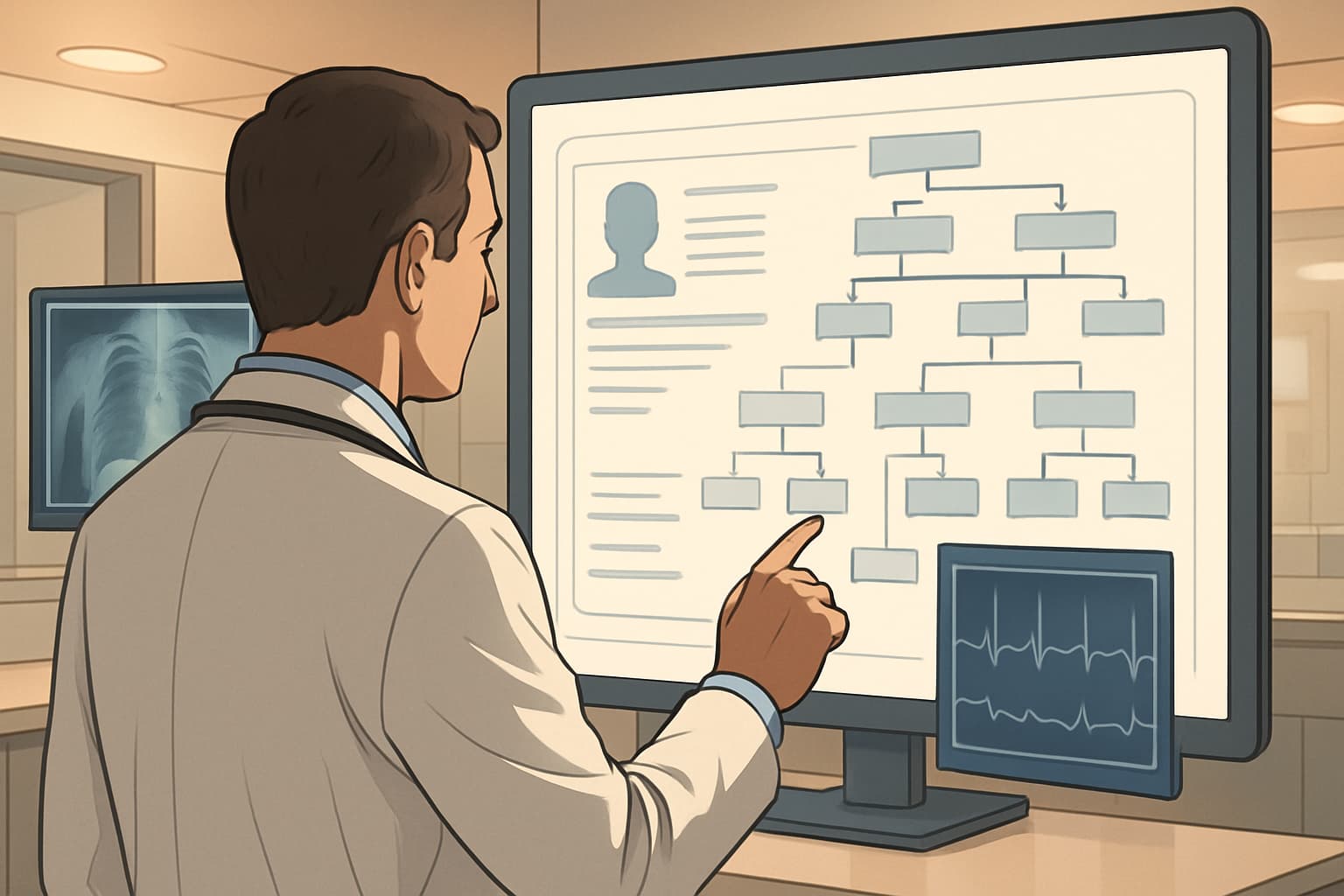
Clinical Decision-Making: Training Through Virtual Patient Cases
Virtual patient cases develop the systematic clinical reasoning skills that physicians need, from initial presentation through differential diagnosis to treatment planning.

How AI Is Transforming Medical Student Assessment
Artificial intelligence enables continuous, objective evaluation of clinical reasoning, replacing snapshot exams with comprehensive competency tracking throughout medical training.
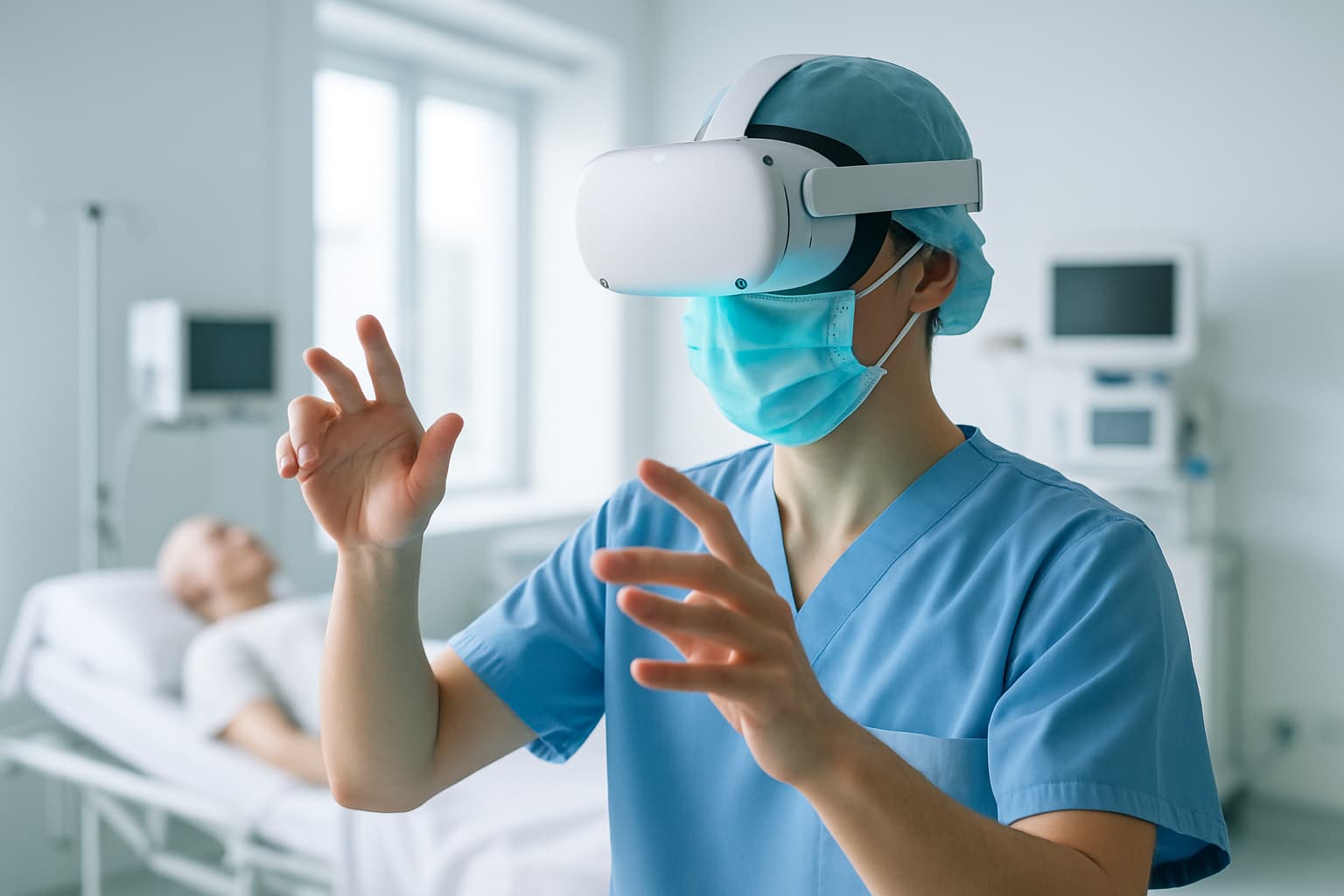
Virtual Reality in Medical Education: Current State and Future
VR headsets are transforming how medical students learn anatomy, practice procedures, and experience clinical scenarios through immersive three-dimensional environments.
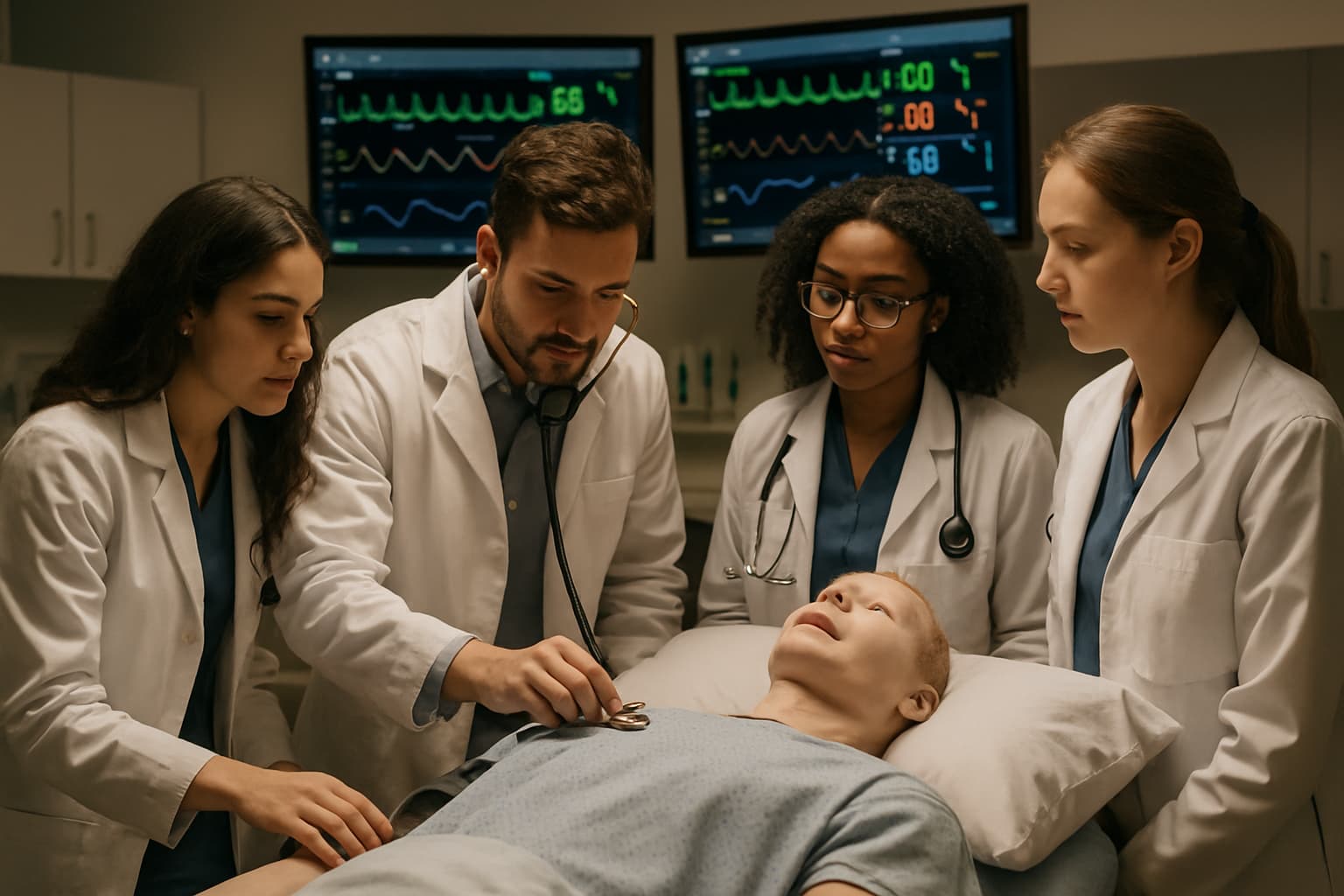
Benefits of Medical Simulation Training for Clinical Skills
Medical simulation training improves diagnostic accuracy, procedural confidence, and patient safety outcomes by providing repeatable, risk-free practice environments for healthcare students.
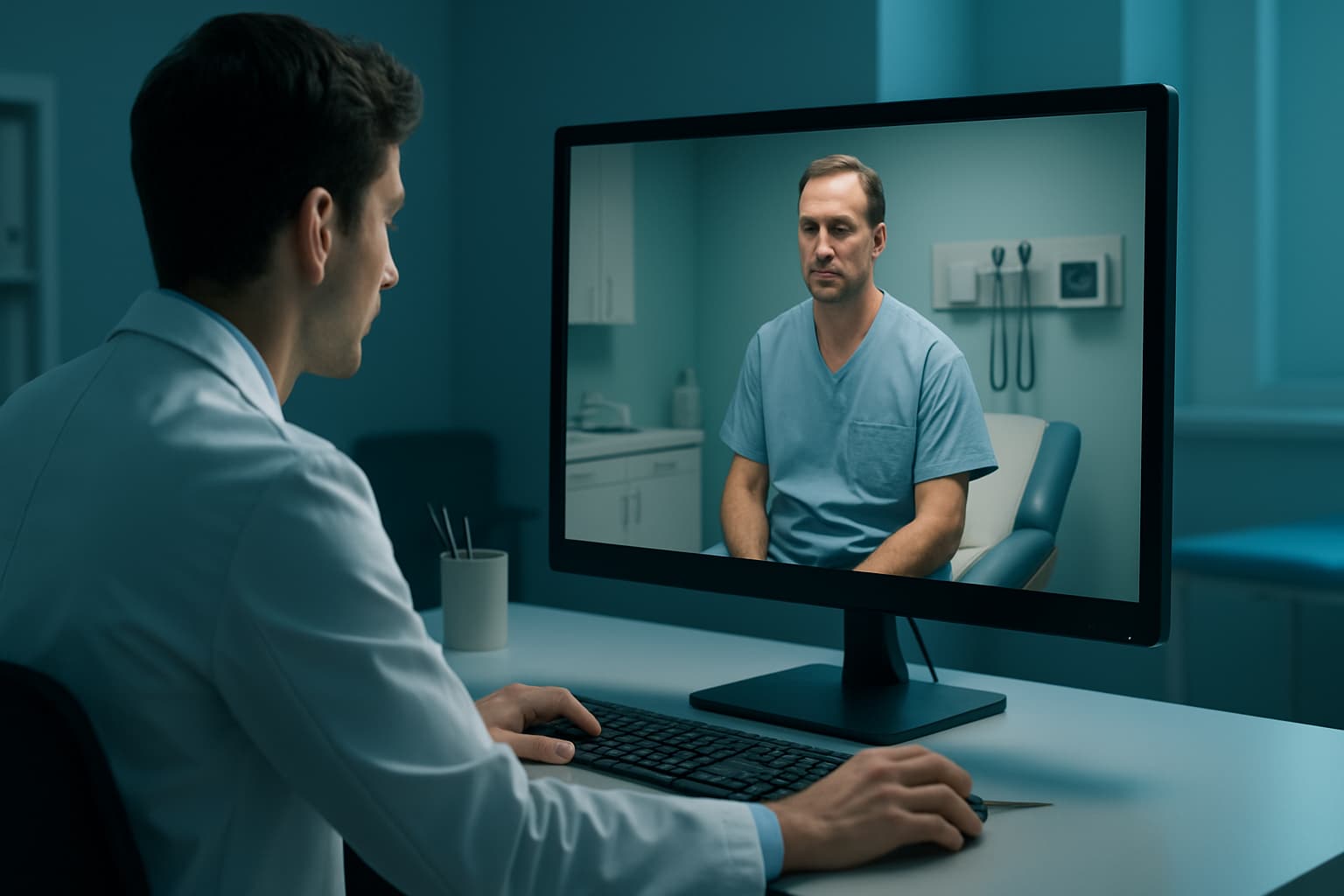
What Is Virtual Patient Simulation in Medical Education?
Virtual patient simulation lets medical students practice clinical reasoning, history-taking, and diagnosis through realistic digital scenarios before seeing real patients.
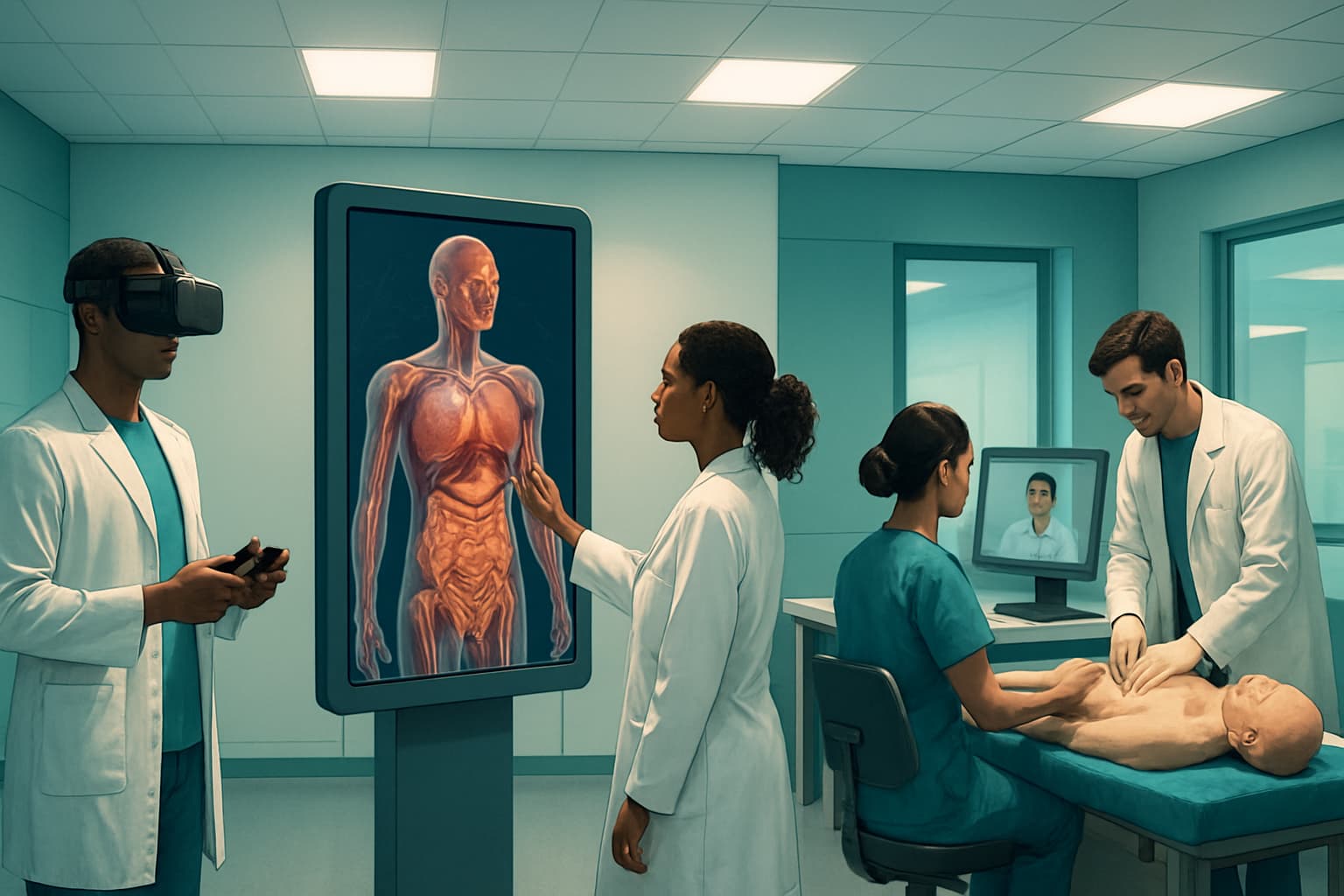
7 Interactive Modes That Transform Medical Training
From AI-powered virtual patients to 3D pathomorphology models and interactive medical films, modern simulation platforms offer diverse learning modalities for every clinical skill.

How 3D Pathomorphology Enhances Anatomy Education
Interactive 3D organ models with pathological states give medical students a visual, hands-on understanding of how diseases alter human anatomy at the macroscopic level.