Pharmacy Education and Clinical Simulation: Bridging the Theory-Practice Gap
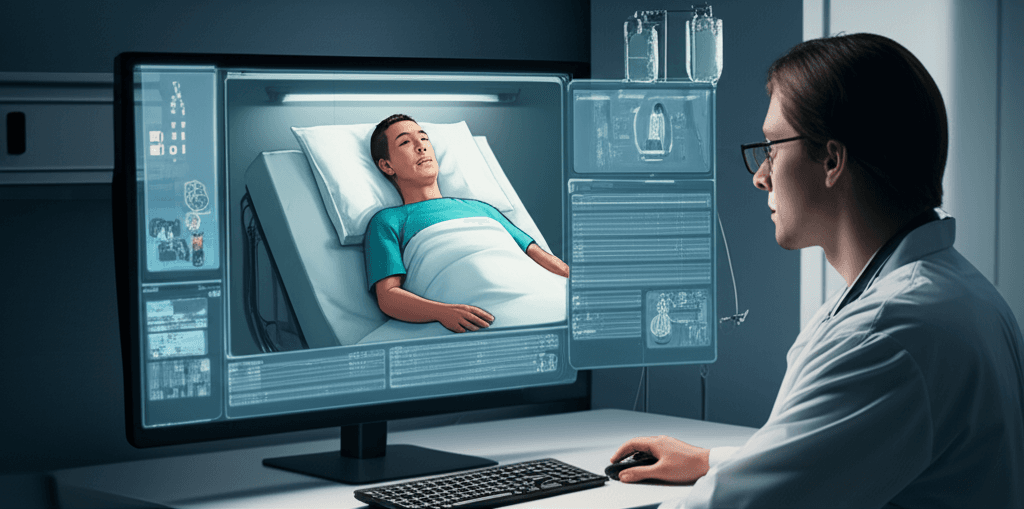
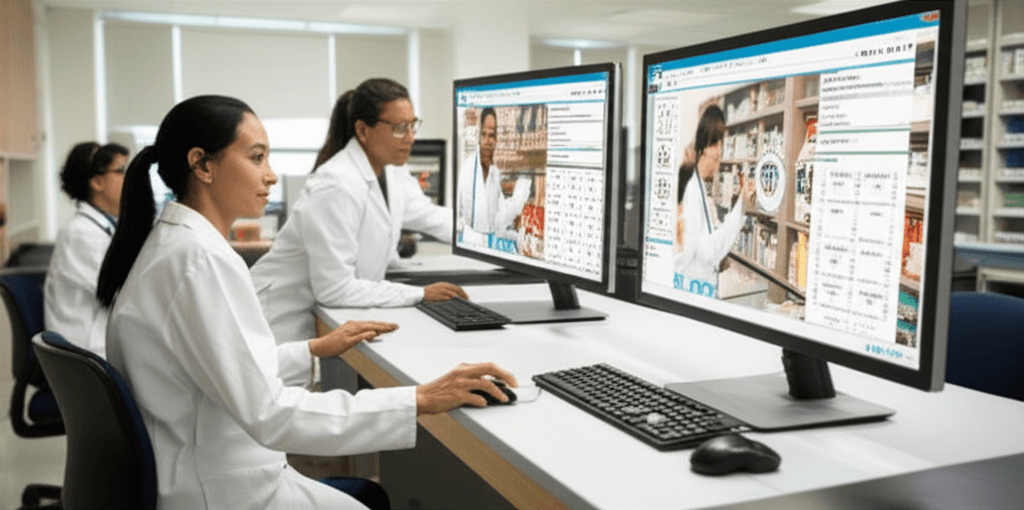
Contemporary pharmacy practice extends far beyond dispensing medications. Pharmacists are medication therapy managers, patient counselors, and clinical decision support specialists embedded in healthcare teams at every care level. This expanded role demands clinical competencies that traditional pharmacy education, focused on pharmaceutical sciences and dispensing skills, has not always developed effectively. Simulation training provides pharmacy programs with the tools to develop the patient-centered, interprofessional clinical skills that modern pharmacy practice requires.
Medication Counseling and Patient Education
Medication counseling is a core pharmacy competency that requires communication skills as much as pharmacological knowledge. Explaining a new medication's purpose, administration instructions, side effects, and drug interactions to a patient with varying health literacy requires professional communication skills that must be practiced to be effective. Virtual patient simulation creates realistic counseling scenarios — a newly diagnosed patient starting antihypertensive therapy, an elderly patient with a complex polypharmacy regimen, a parent asking about pediatric dosing — that develop these skills in a safe practice environment.
Patient education scenarios can be designed to include realistic challenges: a patient who is non-adherent and skeptical about the need for medication, a patient who has read alarming information about side effects online, or a patient with limited English proficiency requiring clear, simple communication. These scenarios develop the adaptive communication skills that distinguish excellent pharmacist-patient interactions.
Drug Interaction and Safety Simulation
Identifying and managing potentially dangerous drug interactions is a critical patient safety function of pharmacists. Simulation scenarios presenting complex medication lists — as are common in elderly patients with multiple comorbidities — train pharmacists in systematic drug interaction screening and the clinical decision-making required to advise prescribers on interaction management. These scenarios are more educational than traditional pharmacology instruction because they present interactions in clinical context rather than as theoretical pharmacokinetic abstractions.
High-risk medication scenarios — anticoagulants, insulin, opioids, narrow-therapeutic-index drugs — deserve specific attention in pharmacy simulation. Errors with these medications carry severe patient safety consequences, and the clinical reasoning required to safely manage them requires both pharmacological knowledge and the professional communication skills to flag concerns effectively to prescribers and care teams.
Interprofessional Pharmacy Practice
Pharmacists increasingly function as embedded members of clinical teams in hospitals, primary care practices, and specialty clinics. Interprofessional simulation scenarios that include pharmacists alongside physicians, nurses, and other team members develop the collaboration skills essential for effective medication management in team-based care settings.
Pharmacy students who practice in interprofessional simulation alongside medical and nursing students develop mutual understanding of professional roles and communication styles that improves collaborative practice. Research on interprofessional pharmacy simulation shows improvements in collaborative self-efficacy, role clarity, and communication effectiveness that persist in subsequent clinical practice settings.