Cardiology Training Through Virtual Patient Scenarios
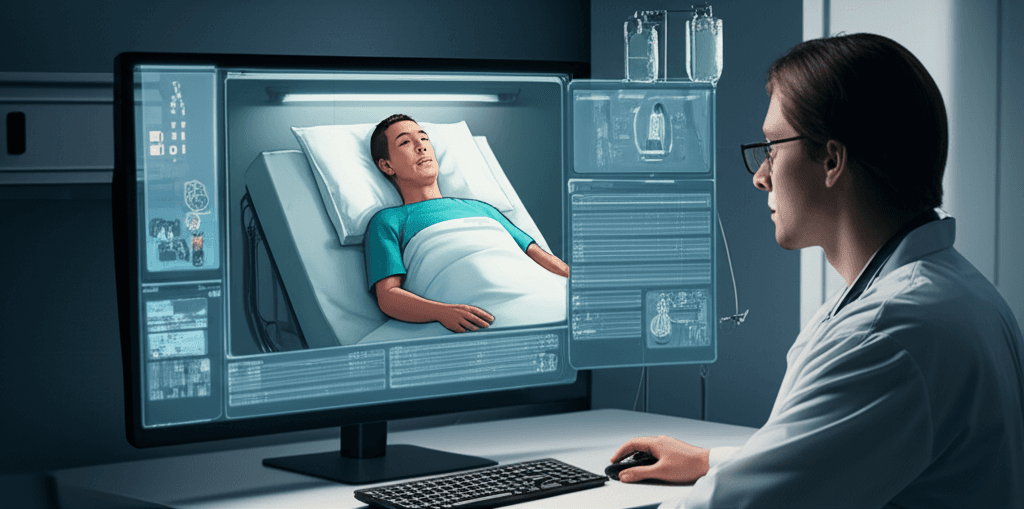
Cardiology is among the most case-intensive medical specialties. A cardiologist must rapidly evaluate chest pain presentations, interpret complex diagnostic findings, manage chronic conditions like heart failure, and make time-critical decisions in acute coronary syndromes. Virtual patient scenarios provide structured practice for each of these skills, allowing students to develop cardiovascular clinical reasoning before their cardiology rotations.
Chest Pain Evaluation: The Diagnostic Challenge
Chest pain is one of the most common and complex presenting complaints in medicine. The differential diagnosis spans cardiac causes (acute coronary syndrome, pericarditis, aortic dissection), pulmonary causes (pulmonary embolism, pneumothorax, pneumonia), gastrointestinal causes (esophageal spasm, GERD), musculoskeletal causes, and psychological causes. A systematic approach to chest pain evaluation is essential for every physician, regardless of specialty.
Virtual patient scenarios present students with chest pain patients who provide detailed symptom descriptions in response to questioning. The student must elicit pain characteristics (location, duration, quality, radiation, aggravating and relieving factors), review risk factors, perform a focused examination, and order appropriate investigations. The scenario evaluates whether the student follows a systematic approach and avoids dangerous cognitive shortcuts.
Heart Failure Management
Heart failure affects millions of patients worldwide and represents a common chronic disease management challenge. Virtual cases simulate the longitudinal management of heart failure patients: initial diagnosis, medication titration, response monitoring, exacerbation management, and long-term follow-up. Students learn to balance multiple medications, monitor for side effects, and adjust treatment based on clinical response.
The advantage of simulation for chronic disease management is the ability to compress time. A student can manage a virtual heart failure patient over a simulated six-month period in a single practice session, experiencing the clinical decision points that would take months to encounter in real clinical practice.
Integrating Anatomy and Pathology
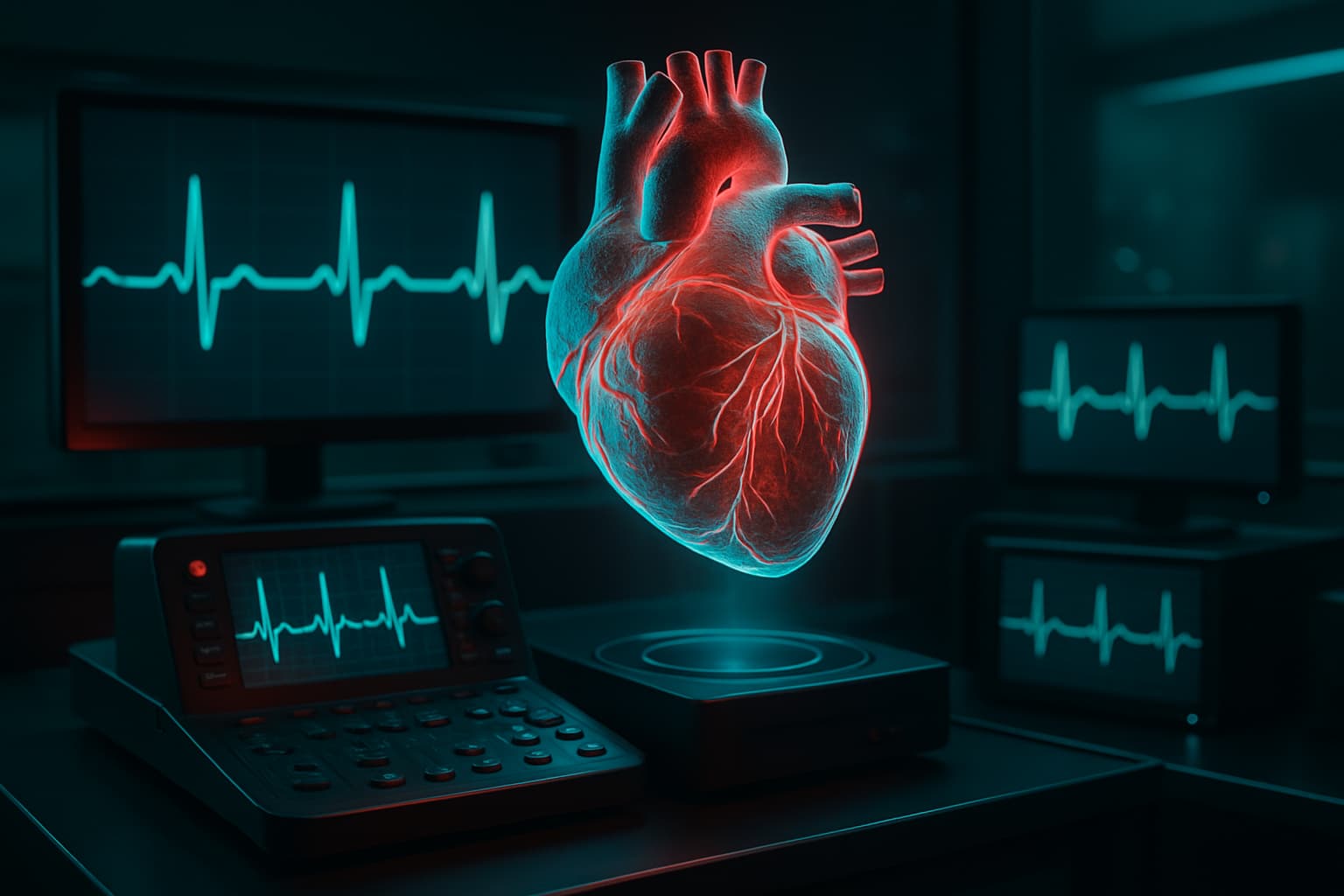
Cardiology is uniquely suited to multimodal simulation. When a student encounters a virtual patient with suspected valvular heart disease, they can step into a 3D anatomy mode to examine the cardiac valves, visualize the pathological changes in a pathomorphology view, and understand the hemodynamic consequences that produce the physical signs they are evaluating.
This integration between clinical reasoning and anatomical understanding reinforces learning in both directions. Students who understand the anatomy better interpret clinical findings more accurately, and students who practice clinical reasoning develop a more functional understanding of anatomy.
Acute Scenarios and Time Pressure
Some cardiology scenarios require rapid decision-making. Acute ST-elevation myocardial infarction demands immediate recognition and treatment initiation. Cardiac tamponade requires urgent intervention. Virtual scenarios with time pressure teach students to prioritize critical actions and avoid the paralysis that can occur when faced with acutely unwell patients for the first time.
The safety of simulation is particularly valuable here. A student can experience the consequences of delayed treatment in a virtual scenario without any risk to a real patient. The emotional impact of a virtual patient deteriorating due to a missed diagnosis creates powerful learning that textbook descriptions of the same scenario cannot achieve.
Preparation for Cardiology Rotations
Students who complete a comprehensive virtual cardiology case series before their clinical rotation arrive better prepared. They recognize common presentations, understand standard diagnostic pathways, and can formulate reasonable management plans. This preparation allows them to learn more from their clinical experiences, because they are building on a foundation of simulated practice rather than starting from pure theory.