20 specialty-specific article outlines built to recover long-tail SEO
Explore virtual patients, Pathology3D, OSCE prep, clinical skills, and medical education technology articles organized around the exact topics professors and students search for.
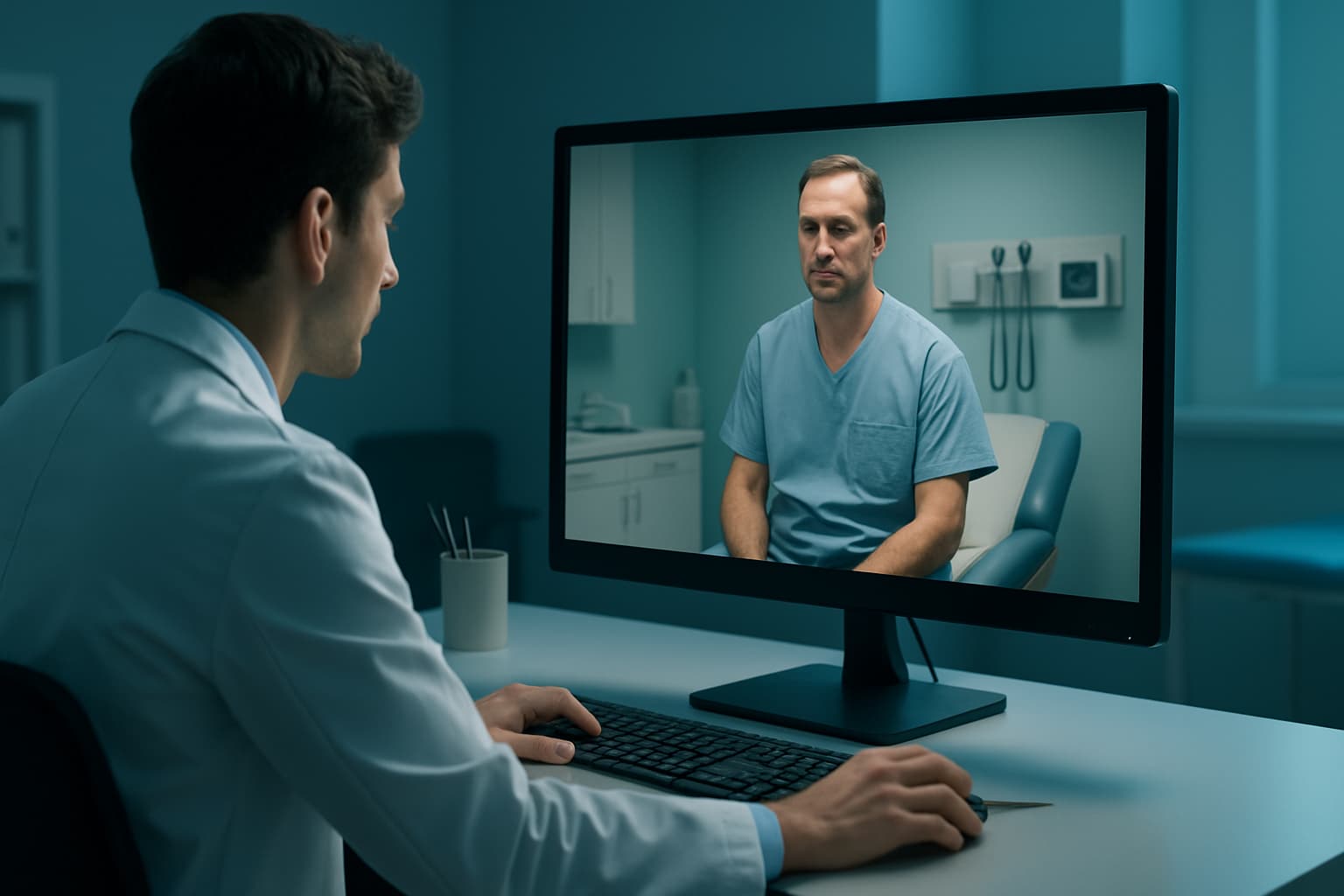
What Is a Virtual Patient in Medical Education?
A virtual patient gives students a safe way to practice history-taking, differential diagnosis, and treatment planning before clinical rotations.
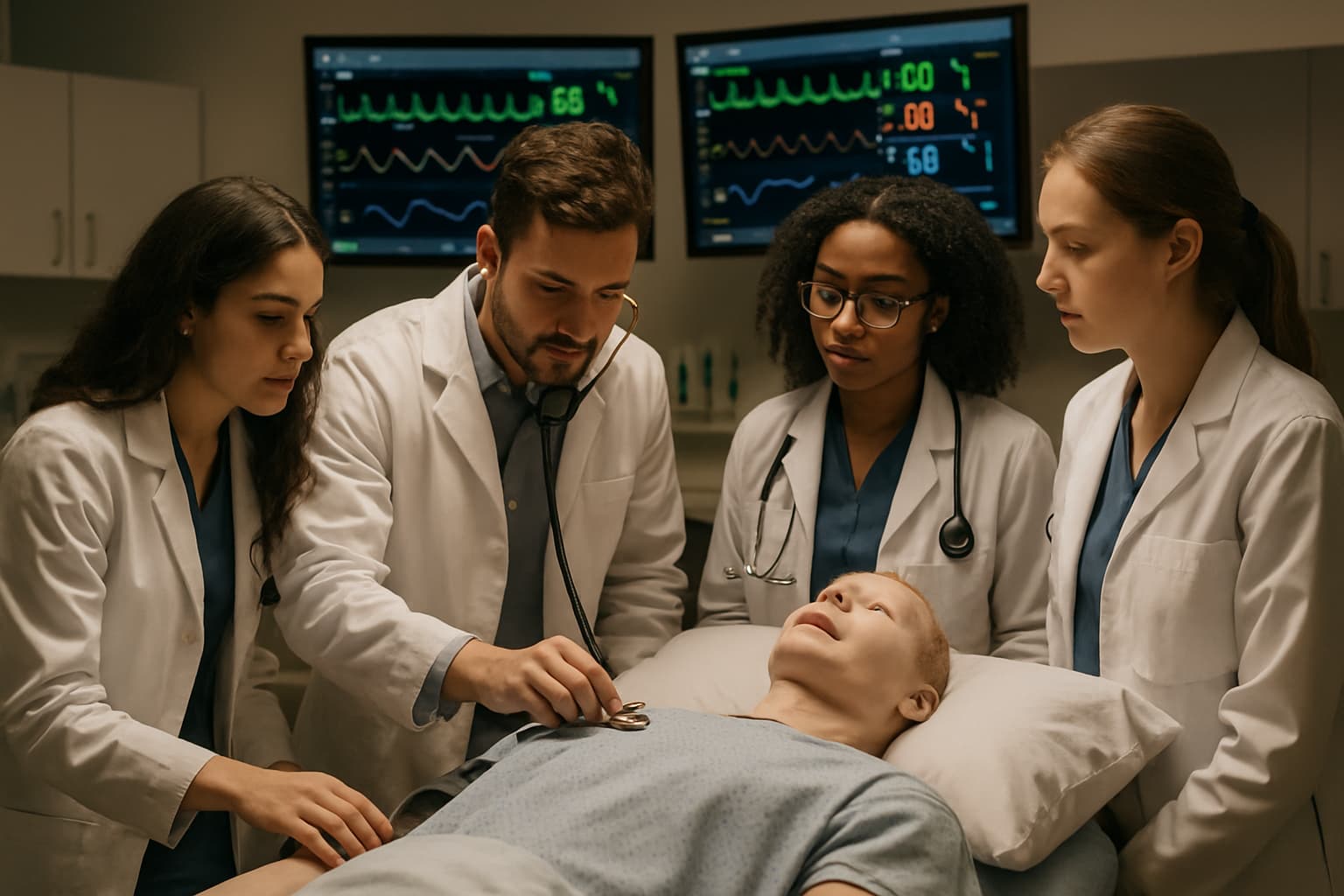
How Virtual Patients Improve Clinical Decision-Making
Virtual patient cases improve clinical decision-making by forcing learners to choose questions, tests, and treatments in sequence instead of passively reading answers.
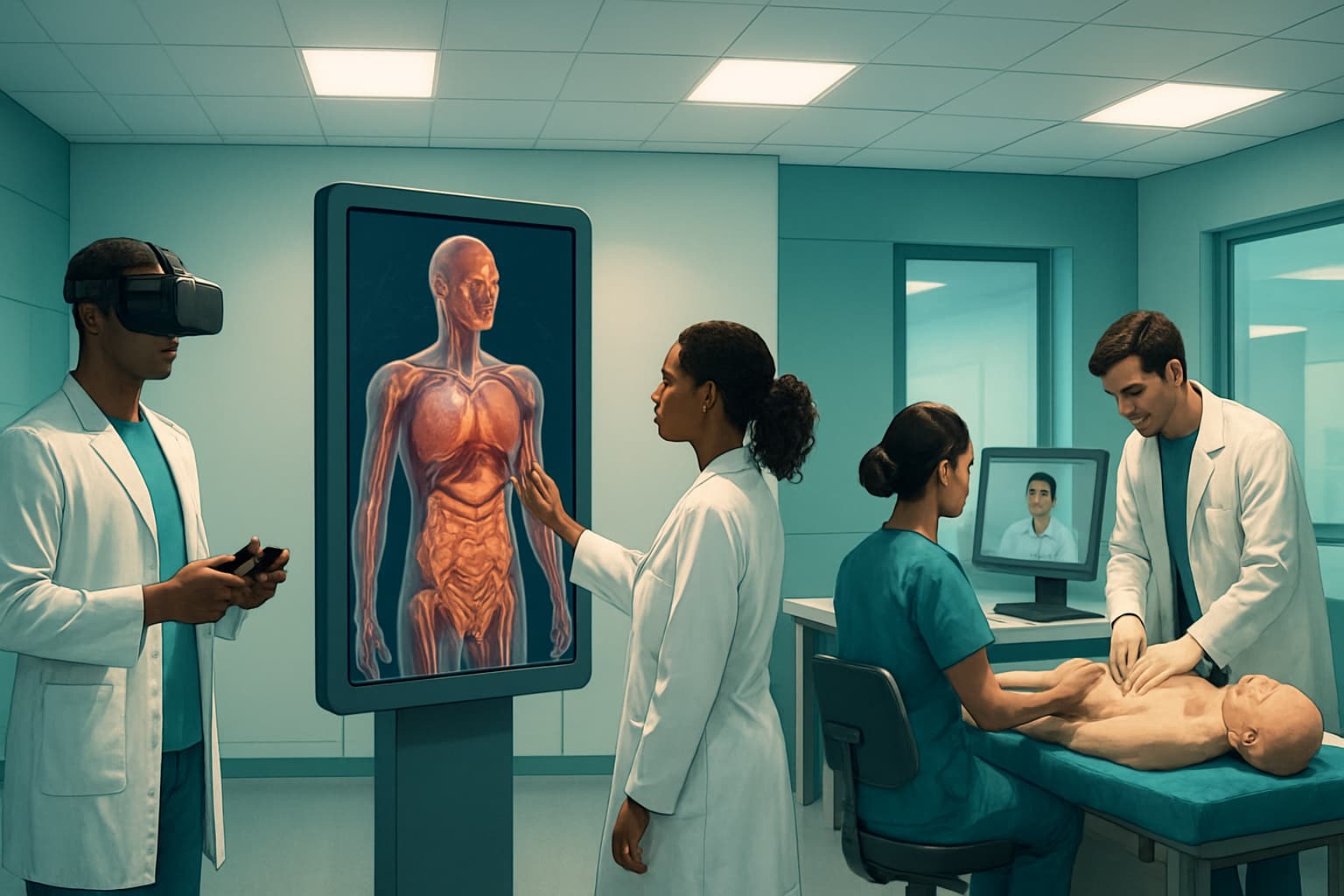
Virtual Patient Cases for Pulmonology Teaching
Pulmonology teaching benefits from virtual patient cases because respiratory complaints require structured questioning, triage logic, and repeated differential diagnosis practice.
Virtual Patient Platforms for Nephrology Education
Nephrology education is a strong fit for virtual patient platforms because students must connect history, labs, fluid status, and pathophysiology across many similar presentations.
Endocrinology Virtual Patient Scenarios for Medical Schools
Endocrinology virtual patient scenarios help students practice chronic disease reasoning, medication adjustment, and pattern recognition across diabetes and hormone disorders.

3D Pathology Visualization for Cardiology Programs
Cardiology programs can use 3D pathology visualization to connect murmurs, imaging, hemodynamics, and structural heart changes in one teaching workflow.
3D Pathology Models for Oncology Curricula
3D pathology models help oncology curricula show tumor growth, invasion patterns, and treatment context more clearly than static diagrams alone.
3D Pathomorphology in Gastroenterology Teaching
Gastroenterology teaching becomes more concrete when students can see organ-level pathology in 3D while working through liver and GI cases.
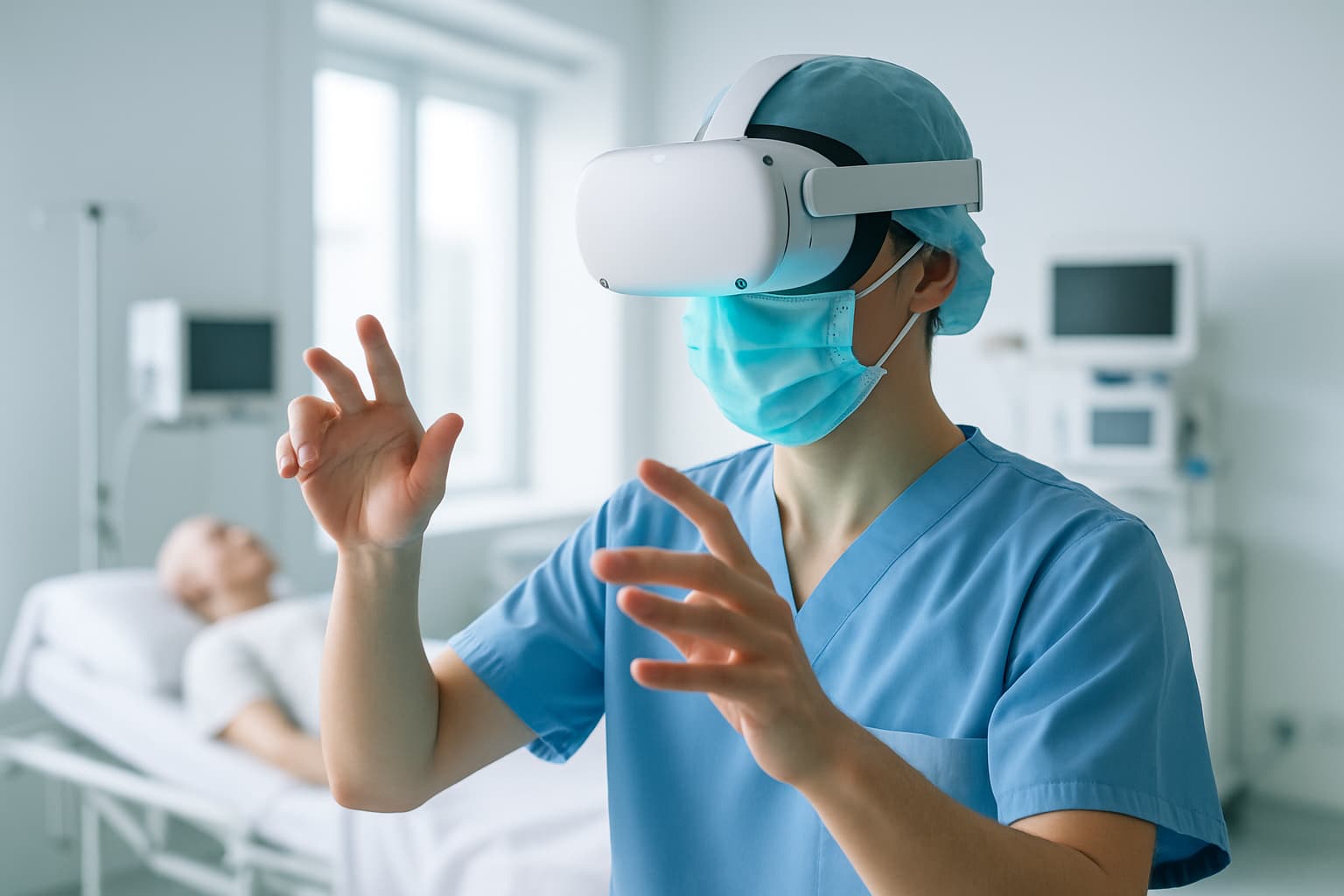
Pathology 3D Tools for Pulmonology and Radiology Learning
Pulmonology and radiology learners benefit from pathology 3D tools that show how respiratory disease changes structure before they interpret scans or management pathways.
How to Prepare for OSCE Exams With Virtual Cases
OSCE preparation improves when students rehearse the exact reasoning, communication, and station sequencing they will face under timed conditions.
Best OSCE Simulation Platforms for Medical Schools
Medical schools evaluating OSCE simulation platforms need to compare repeatability, analytics, specialty depth, and ease of faculty adoption.
Virtual OSCE Stations for Cardiology Skills
Cardiology OSCE preparation needs station practice that combines focused questioning, exam prioritization, and interpretation of urgent findings.
OSCE Station Design for Clinical Reasoning Assessment
Clinical reasoning assessment works best when OSCE stations are designed around decisions, not just checklist completion.
Virtual Stethoscope Training for Medical Students
Virtual stethoscope training helps students move from memorizing heart sounds to recognizing when those sounds matter in a clinical encounter.
Physical Examination Simulation Tools for Internal Medicine
Internal medicine programs need physical examination simulation tools that connect inspection, palpation, percussion, and auscultation to reasoning rather than isolated checklists.
Simulation Tools for Teaching Clinical Procedures
Clinical procedure training works better when students can rehearse sequence, safety checks, and decision points before touching real patients.
Teaching Diagnostic Reasoning With Interactive Cases
Interactive cases support diagnostic reasoning because they require learners to gather data, test hypotheses, and revise decisions in sequence.
ROI of Medical Simulation for Universities
Universities evaluating medical simulation need a clear business case that compares recurring lab costs against scalable digital training models.
Digital Transformation in Medical Schools
Digital transformation in medical schools succeeds when technology supports curriculum delivery, skills practice, assessment, and faculty workflow at the same time.
How Medical Schools Choose Simulation Platforms
Medical schools choose simulation platforms by balancing specialty depth, implementation speed, analytics, and long-term cost of ownership.